Does Oil Pulling Help Gum Disease? What the Research Really Says
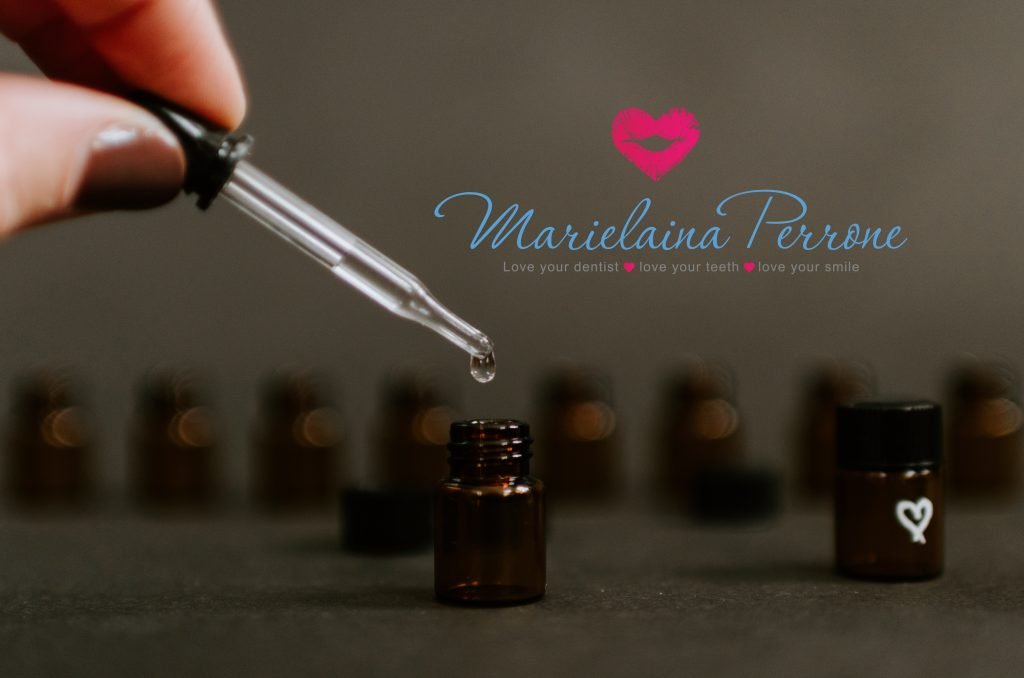
Oil pulling has become one of the most widely discussed natural oral-health trends on social media. The practice involves swishing an edible oil—usually coconut, sesame, sunflower, or olive oil—around the mouth for several minutes before spitting it out.
Supporters claim oil pulling can reduce harmful bacteria, improve bad breath, whiten teeth, and even reverse gum disease. Some small studies have reported reductions in oral bacteria, plaque, or gum inflammation. However, the overall evidence remains limited, inconsistent, and generally low in quality.
The most accurate conclusion is this:
Oil pulling may offer modest benefits as an optional addition to a proven oral-hygiene routine, but it cannot cure periodontal disease or replace brushing, flossing, professional cleanings, or periodontal treatment.
At her Henderson, Nevada practice, Marielaina Perrone, DDS, encourages patients to distinguish between supportive home-care practices and treatments that can actually stop gum disease from damaging the tissues and bone supporting the teeth.
What Is Oil Pulling?
Oil pulling originated as a traditional Ayurvedic practice. It typically involves placing a small amount of edible oil in the mouth, gently moving it between the teeth, and then spitting it out.
Coconut and sesame oil are among the most commonly used choices. Advocates propose that bacteria and debris become suspended in the oil as it is moved around the mouth.
However, the exact biological mechanism has not been clearly established, and major claims about detoxification or whole-body disease prevention are not supported by reliable clinical evidence.

Dr. Perrone’s Perspective
“Patients are welcome to discuss natural approaches with us, but it is important to understand their limitations. Oil pulling may complement good oral hygiene, but it cannot remove hardened tartar, clean deep periodontal pockets, or rebuild bone already lost to gum disease.”
— Marielaina Perrone, DDS
What Is Gum Disease?
Gum disease is a bacterial and inflammatory condition affecting the tissues surrounding the teeth.
It develops in stages.
Gingivitis
Gingivitis is the earliest and most reversible stage.
Common warning signs include:
- Bleeding during brushing or flossing
- Red or swollen gums
- Tenderness
- Persistent bad breath
- Plaque accumulation around the gumline
At this stage, the supporting bone has not yet been permanently damaged.
Periodontitis
When gingivitis remains untreated, bacteria can move deeper beneath the gumline.
Periodontitis may cause:
- Deep periodontal pockets
- Gum recession
- Loss of supporting bone
- Tooth mobility
- Changes in the bite
- Tooth loss
Once periodontal disease has caused bone loss, oil pulling or other home remedies cannot reverse that damage.
What Does the Research Say About Oil Pulling?
The research is mixed.
A 2024 systematic review and meta-analysis found a probable benefit for gingival health, but chlorhexidine mouthwash remained more effective at reducing plaque. The authors rated the certainty of the available evidence as very low, meaning the findings should be interpreted cautiously.
Another meta-analysis found that oil pulling may reduce salivary bacterial counts but produced no significant improvement in plaque or gingival scores compared with control groups. The authors called for more rigorous and better-reported clinical trials.
A systematic review focused on coconut oil similarly concluded that the limited evidence suggested possible oral-hygiene benefits, but emphasized the need for larger, better-designed studies.
The American Dental Association states that there are currently no reliable scientific studies demonstrating that oil pulling reduces cavities, whitens teeth, or improves oral health sufficiently to recommend it as a dental-hygiene practice.
Why Some Studies Appear Encouraging
Several small clinical studies have reported decreases in plaque, gingival inflammation, or certain oral bacteria after participants practiced oil pulling.
For example, one preliminary study of coconut-oil pulling found reductions in plaque and gingival index scores beginning after approximately one week. However, preliminary studies of this type often involve small groups, short treatment periods, and limited controls, so they cannot establish that oil pulling prevents or treats periodontitis.
A newer clinical trial of sesame-oil pulling reported greater plaque reduction than distilled water, but the investigators cautioned that study bias could not be ruled out and that further high-quality research was needed.
That distinction matters:
A short-term decrease in plaque does not prove that oil pulling can stop bone loss, eliminate periodontal pockets, or prevent tooth loss.

Can Oil Pulling Cure Gingivitis?
It should not be presented as a cure.
Oil pulling might help some patients reduce bacterial levels or mild gingival inflammation when used consistently alongside brushing and interdental cleaning. However, current evidence is not strong enough to recommend it as a replacement for established gingivitis care.
Gingivitis is most reliably treated through:
- Effective plaque removal
- Twice-daily brushing with fluoride toothpaste
- Daily cleaning between the teeth
- Professional dental cleaning
- Correction of plaque-retentive dental problems
- Regular monitoring
Can Oil Pulling Treat Periodontitis?
No.
Periodontitis develops below the gumline, where bacterial deposits and hardened tartar adhere to the tooth roots.
Oil cannot reliably reach or remove:
- Subgingival calculus
- Deep bacterial deposits
- Diseased tissue within periodontal pockets
- Toxins embedded on root surfaces
Periodontitis usually requires professional treatment such as scaling and root planing, followed by individualized periodontal maintenance. More advanced cases may require additional periodontal procedures.
An evidence review specifically addressing oil pulling and periodontal disease concluded that it is not a substitute for standard oral hygiene or professional periodontal care and that evidence supporting its use as a treatment remains insufficient.
Does Oil Pulling Whiten Teeth?
There is no reliable evidence that oil pulling chemically whitens enamel.
Teeth may occasionally appear cleaner if surface debris or plaque is reduced, but oil pulling does not bleach internal or external tooth discoloration the way professional whitening products do.
The American Dental Association does not consider oil pulling a proven teeth-whitening method.
Can Oil Pulling Improve Bad Breath?
Possibly, but the evidence is limited.
Bad breath frequently results from bacteria on the tongue, teeth, gums, or within periodontal pockets. If oil pulling temporarily reduces some bacterial levels, breath may improve.
However, persistent bad breath may indicate:
- Gum disease
- Tooth decay
- Dry mouth
- Oral infection
- Tonsil problems
- Certain medical conditions
Masking the symptom without diagnosing the cause may delay needed treatment.

Is Oil Pulling Safe?
Oil pulling is generally considered low risk for most healthy adults when performed cautiously, but it is not completely risk-free.
Possible concerns include:
- Nausea or stomach upset if the oil is swallowed
- Jaw fatigue from prolonged swishing
- Allergic reactions to coconut, sesame, or another oil
- Delaying necessary dental treatment
- Rare aspiration of oil into the lungs
Children, individuals with swallowing difficulties, and anyone at increased aspiration risk should not perform oil pulling without guidance from a qualified healthcare professional.
The oil should be spat into the trash rather than a sink because it may solidify and contribute to plumbing problems.
Should You Brush Before or After Oil Pulling?
Oil pulling should never replace toothbrushing.
Patients who choose to try it should still:
- Brush twice daily with fluoride toothpaste
- Clean between the teeth daily
- Clean the tongue
- Attend regular dental examinations
- Receive professional cleanings as recommended
There is no convincing evidence that oil pulling must occur at a specific time of day or before eating to provide oral-health benefits.
The Proven Ways to Prevent Gum Disease
The strongest evidence supports a straightforward preventive routine.
Brush Effectively
Brush for two minutes, twice daily, using a soft-bristled toothbrush and fluoride toothpaste.
Clean Between Your Teeth
Floss, interdental brushes, or a water flosser help remove plaque from areas a toothbrush cannot reach.
Schedule Professional Cleanings
Once plaque hardens into tartar, it cannot be removed effectively at home.
Avoid Tobacco
Smoking significantly increases the risk and severity of periodontal disease and can hide visible symptoms by reducing gum bleeding.
Manage Medical Risk Factors
Diabetes, dry mouth, hormonal changes, certain medications, and immune conditions may influence periodontal health.
Treat Bleeding Gums Early
Bleeding is often one of the earliest signs of inflammation. Addressing gingivitis promptly may prevent progression to periodontitis.
Frequently Asked Questions
Does oil pulling remove tartar?
No. Hardened tartar must be removed professionally with dental instruments.
Can coconut oil reverse gum recession?
No. Oil pulling cannot regenerate lost gum tissue or supporting bone.
Is oil pulling better than mouthwash?
Current research does not establish oil pulling as superior. One systematic review found chlorhexidine more effective for plaque reduction, although chlorhexidine should generally be used only when professionally recommended.
How long should you oil pull?
There is no scientifically established ideal duration. Traditional instructions often suggest prolonged swishing, but longer sessions are not proven to produce better results and may cause jaw fatigue.
Can I use oil pulling if I have periodontal disease?
It may be used as an optional adjunct if your dentist believes it is appropriate, but it cannot replace scaling and root planing, periodontal maintenance, or prescribed home care.
Should I stop flossing if I oil pull?
No. Oil pulling does not reliably clean the contact areas between teeth or remove plaque attached beneath the gumline.
Does oil pulling detoxify the body?
There is no credible clinical evidence that swishing oil removes systemic toxins or treats diseases elsewhere in the body.
The Bottom Line on Oil Pulling
Oil pulling is a traditional practice with some preliminary evidence suggesting possible reductions in oral bacteria, plaque, or mild gum inflammation. However, the studies remain inconsistent, frequently small, and generally low in certainty.
It may serve as an optional addition to a complete oral-care routine, but it should never be promoted as a cure for gum disease.
Healthy gums still depend on the fundamentals:
- Effective brushing
- Daily interdental cleaning
- Professional dental care
- Early diagnosis
- Evidence-based periodontal treatment
If you have bleeding gums, persistent bad breath, gum recession, or loose teeth, schedule a comprehensive periodontal evaluation with Marielaina Perrone, DDS. Addressing gum disease early offers the best opportunity to preserve your natural teeth and protect your long-term oral health.
About the Author
Marielaina Perrone, DDS is an award-winning cosmetic, restorative, implant, and preventive dentist serving Henderson, Green Valley, Anthem, Seven Hills, Inspirada, Las Vegas, and surrounding Southern Nevada communities. A graduate of Stony Brook University School of Dental Medicine, she has practiced dentistry since 1999 and has extensive experience in periodontal care, scaling and root planing, preventive dentistry, dental implants, and comprehensive restorative treatment. Dr. Perrone emphasizes clear patient education and evidence-based care so patients can make informed decisions about conventional and natural oral-health practices.
Medically Reviewed By
Marielaina Perrone, DDS
Doctor of Dental Surgery
General, Cosmetic, Restorative & Implant Dentist
Henderson, Nevada
Dr. Perrone regularly completes advanced continuing education in periodontal disease, preventive dentistry, oral-systemic health, implant dentistry, restorative care, and evidence-based clinical treatment. All educational content is clinically reviewed to reflect current scientific evidence and accepted standards of dental care.
Updated: July 2026