
Can Better Diabetes Control Improve Your Gum Health?
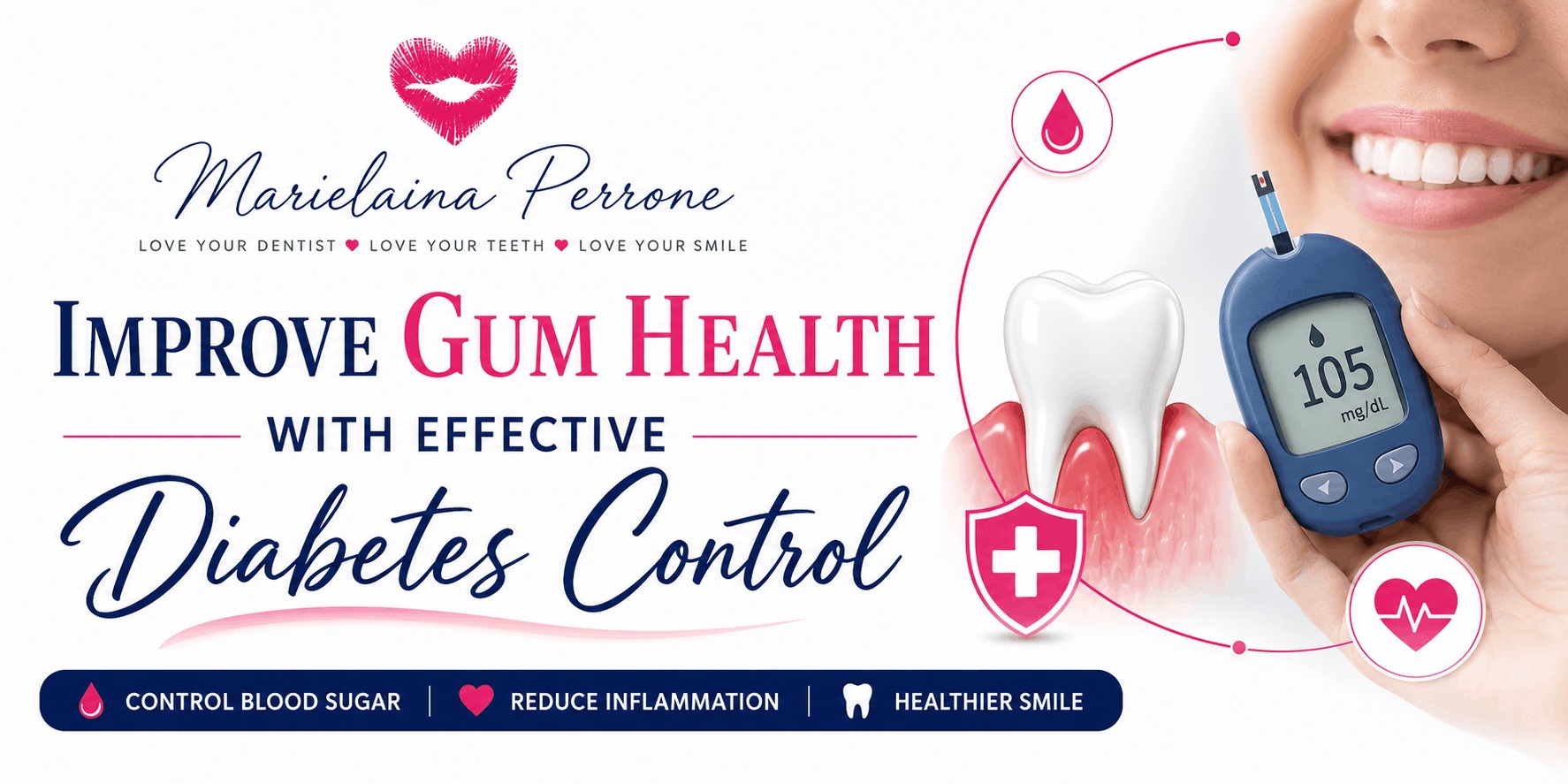
Maintaining oral health is crucial for everyone, but it is especially important for individuals with diabetes. New research from Osaka University has found that intensive diabetes treatment helps control blood sugar levels and significantly reduces inflammation caused by gum disease. This discovery provides a strong link between managing diabetes and improving oral health.
What Is Diabetes?
Diabetes is a chronic condition that affects how the body regulates blood sugar (glucose), its primary source of energy. It occurs when the body does not produce enough insulin or cannot use insulin effectively.
The two main types are:
Type 1 Diabetes: An autoimmune condition in which the body produces little or no insulin.
Type 2 Diabetes: The most common form, occurring when the body becomes resistant to insulin or does not produce enough of it.
When blood sugar levels remain elevated, diabetes can increase the risk of serious health complications, including heart disease, kidney disease, and periodontal (gum) disease.

How Diabetes and Gum Disease Affect Each Other
The relationship between diabetes and gum disease is more complex than many people realize. Rather than being separate conditions, they can influence one another in a continuous cycle that affects both oral health and overall wellness.
High Blood Sugar Increases Inflammation
When blood sugar levels remain elevated, the body’s ability to fight infection becomes less effective. Excess glucose in the bloodstream can increase inflammation throughout the body, including the gums. As a result, individuals with diabetes are often more susceptible to bacterial infections and periodontal disease.
High blood sugar may also slow healing, making it more difficult for gum tissue to recover from inflammation and infection.
Gum Disease Can Worsen Diabetes Control
The relationship works in both directions. Periodontal disease is a chronic inflammatory condition, and ongoing inflammation can make it harder for the body to use insulin effectively. This may contribute to higher blood sugar levels and make diabetes more difficult to manage.
Research has shown that patients with untreated gum disease often experience greater challenges maintaining healthy blood glucose levels compared to those with healthy gums.
A Two-Way Relationship
Because diabetes and gum disease influence one another, each condition can potentially make the other worse. Poorly controlled diabetes increases the risk of gum disease, while active gum disease can contribute to increased inflammation and more difficult diabetes management.
This is why many healthcare professionals view periodontal health as an important component of comprehensive diabetes care.
“Many patients are surprised to learn that healthy gums can support better overall health. By reducing inflammation and treating periodontal disease early, we can help protect not only the smile but potentially improve overall wellness as well.”
-Marielaina Perrone, DDS
The good news is that controlling blood sugar levels, maintaining excellent oral hygiene, and scheduling regular dental examinations can help break this cycle. By working closely with both your physician and dentist, you can support healthier gums, better diabetes management, and improved long-term health outcomes.
Signs Diabetes May Be Affecting Your Gums
Many people don’t realize diabetes may first show signs inside the mouth.
Warning signs include:
- Bleeding gums
- Swollen or tender gums
- Persistent bad breath
- Loose teeth
- Gum recession
- Slow healing after dental treatment
- Frequent oral infections
- Dry mouth
If you notice these symptoms, a periodontal evaluation can help determine whether gum disease is contributing to your oral health concerns.
Intensive Treatment:
A Game Changer for Oral Health
The study focused on patients with type 2 diabetes, many of whom were found to have reduced gum inflammation after undergoing just two weeks of intensive diabetes treatment. This improvement benefited their dental health and contributed to better glycemic control, creating a positive feedback loop. Beyond oral health, intensive diabetes treatment has been shown to reduce the risk of other complications such as heart disease and kidney failure. By addressing the disease’s systemic and oral aspects, patients can experience enhanced outcomes in their diabetes management and overall health.
Can Treating Gum Disease Lower Your A1C?
One of the most fascinating discoveries in modern healthcare is the growing connection between periodontal health and diabetes management. Researchers have found that gum disease and diabetes share a two-way relationship, meaning each condition can influence the other.
When gum disease is present, the body experiences chronic inflammation. This ongoing inflammatory response can make it more difficult for insulin to work effectively, potentially contributing to elevated blood sugar levels. As a result, patients with active periodontal disease often face greater challenges maintaining healthy glucose control.
Several studies have suggested that treating periodontal disease may help support improved blood sugar management in some patients with diabetes. By reducing bacterial infection and inflammation in the gums, periodontal therapy may decrease the inflammatory burden placed on the body.
While gum disease treatment is not a substitute for diabetes medication, healthy eating, exercise, or medical care, it can be an important part of a comprehensive diabetes management plan.
Treatments that may help reduce periodontal inflammation include:
- Professional dental cleanings
- Scaling and root planing (deep cleaning)
- Periodontal maintenance visits
- Improved home oral hygiene
- Management of dry mouth and oral infections
Many patients are surprised to learn that caring for their gums may support more than just their smile. Healthy gums can contribute to better overall wellness and may help make diabetes management easier as part of a coordinated approach involving both medical and dental care.
“Periodontal health and overall health are closely connected. By controlling gum disease and reducing inflammation, we can help support healthier smiles and potentially improve overall wellness at the same time.”
— Marielaina Perrone, DDS
Why Diabetic Patients Need Regular Periodontal Evaluations
For individuals with diabetes, routine periodontal evaluations are about much more than maintaining a healthy smile—they are an important part of protecting overall health. Because diabetes increases the risk of gum disease and gum disease can make blood sugar management more difficult, regular dental monitoring is essential.
Earlier Detection of Gum Disease
Periodontal disease often develops gradually and may not cause noticeable symptoms in its early stages. Regular examinations allow dentists to identify signs of inflammation, bleeding, gum recession, and bone loss before more serious damage occurs.
Professional Cleanings and Plaque Removal
Even patients with excellent home care can develop plaque and tartar buildup in hard-to-reach areas. Professional dental cleanings help remove harmful bacteria that contribute to gum disease and chronic inflammation.
Ongoing Periodontal Maintenance
Patients with a history of gum disease may benefit from periodontal maintenance visits every three to four months rather than traditional six-month cleanings. These appointments help control bacterial growth, monitor gum health, and reduce the risk of disease progression.
Monitoring Inflammation and Oral Health Changes
Because inflammation plays a significant role in both diabetes and periodontal disease, regular evaluations allow dental professionals to monitor changes in gum health and recommend treatment when necessary. Early intervention can help prevent complications and support better long-term oral health.
“For diabetic patients, healthy gums are an important part of overall health. Regular periodontal evaluations help us identify problems early and keep inflammation under control before it leads to more serious issues.”
-Marielaina Perrone, DDS
By partnering with both your physician and dental team, you can take a proactive approach to managing diabetes, protecting your smile, and supporting your overall well-being.
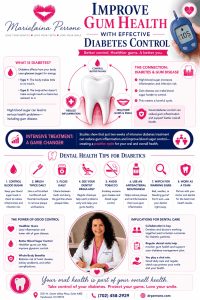
The Benefits of Controlling Gum Disease for Diabetic Patients
For patients with diabetes, maintaining healthy gums is about much more than protecting their teeth. Research continues to show that controlling periodontal disease may positively impact both oral health and overall wellness.
Reduced Inflammation
Periodontal disease is a chronic inflammatory condition. By treating gum disease and reducing bacterial infection, patients can lower inflammation in the gums and throughout the body. Reduced inflammation may contribute to better overall health and improved quality of life.
Better Oral Comfort
Healthy gums are less likely to bleed, swell, or become tender. Patients who successfully manage gum disease often experience fresher breath, greater comfort when eating, and improved confidence in their daily lives.
Lower Risk of Tooth Loss
Untreated periodontal disease is one of the leading causes of tooth loss in adults. Controlling gum disease helps preserve the bone and supporting structures around the teeth, reducing the risk of loose teeth and future tooth loss.
Easier Diabetes Management
Because gum disease and diabetes share a two-way relationship, reducing periodontal inflammation may help support better blood sugar control. Healthy gums can be an important part of a comprehensive diabetes management plan.
Improved Overall Health
The benefits of healthy gums extend beyond the mouth. Maintaining good periodontal health may support cardiovascular health, reduce systemic inflammation, and contribute to overall wellness. For diabetic patients, protecting oral health is an important step toward protecting their long-term health.
“Healthy gums play an important role in overall wellness. By controlling periodontal disease, patients can improve their oral health while supporting their broader health goals as well.”
-Marielaina Perrone, DDS
The connection between diabetes and gum disease is clear: healthier gums can contribute to a healthier body. Through regular dental care, excellent home hygiene, and proper diabetes management, patients can take meaningful steps toward improving both their oral health and overall well-being.
Implications for Dental Care
This research highlights the importance of collaboration between healthcare providers and dental professionals in managing diabetes. For dentists, it emphasizes the need to not only monitor the oral health of diabetic patients closely but also to play a proactive role in recommending treatments that address both gum health and systemic factors like blood sugar control. Dental professionals can contribute significantly to the overall health of diabetic patients by being part of the interdisciplinary team that manages their condition.
Patients with diabetes should be empowered to take charge of their health by undergoing regular dental check-ups. These check-ups can provide valuable insights into the broader implications of their oral health on their diabetes management, helping them make informed decisions and stay on top of their health.
By integrating more advanced diabetes care with dental health monitoring, medical and dental professionals can collaborate to ensure better long-term outcomes for patients with diabetes.
Frequently Asked Questions
Can diabetes cause gum disease?
Yes. Elevated blood sugar increases inflammation and reduces the body’s ability to fight infection, making gum disease more likely.
Can gum disease affect blood sugar?
Yes. Chronic periodontal inflammation may make blood sugar more difficult to control.
How often should diabetics have their teeth cleaned?
Many diabetic patients benefit from periodontal evaluations and professional cleanings every three to four months, depending on their oral health.
Does diabetes cause dry mouth?
It can. Diabetes and certain medications may reduce saliva production, increasing cavity risk.
Can diabetics get dental implants?
Yes. Well-controlled diabetes generally improves healing and implant success. Treatment planning should always include an evaluation of overall health and blood sugar control.
Why are regular periodontal exams important for people with diabetes?
They help identify gum disease early, reduce inflammation, preserve teeth, and support overall health.
About Marielaina Perrone, DDS
Dr. Marielaina Perrone, DDS, is a highly skilled cosmetic and family dentist based in Henderson, NV, dedicated to transforming smiles and improving lives through compassionate, patient-centered care. With over 20 years of clinical experience, Dr. Perrone blends advanced dental techniques with an artistic eye to deliver exceptional results in porcelain veneers, dental implants, smile makeovers, periodontal therapy, dermal fillers, Botox, and comprehensive facial aesthetic treatments.
A graduate at the top of her dental class, Dr. Perrone continually pursues advanced training to remain at the forefront of modern dentistry and aesthetic medicine. Her integrative approach focuses on oral health, facial harmony, and personalized treatment planning—helping patients achieve natural, confident smiles that enhance both appearance and overall well-being.
Dr. Perrone is passionate about patient education, preventive care, and creating long-term relationships built on trust, comfort, and communication. She proudly serves the communities of Henderson, Green Valley, and the greater Las Vegas area. When she’s not caring for patients, she enjoys cooking, staying active, and spending time with her family.

Reviewed for Clinical Accuracy
This article has been written and clinically reviewed by Marielaina Perrone, DDS, to ensure it reflects current evidence-based dentistry and the personalized philosophy of care practiced at her Henderson, Nevada office.
Last Reviewed: July 2026