Can A Mother’s Oral Health Predict A Child’s Oral Health?
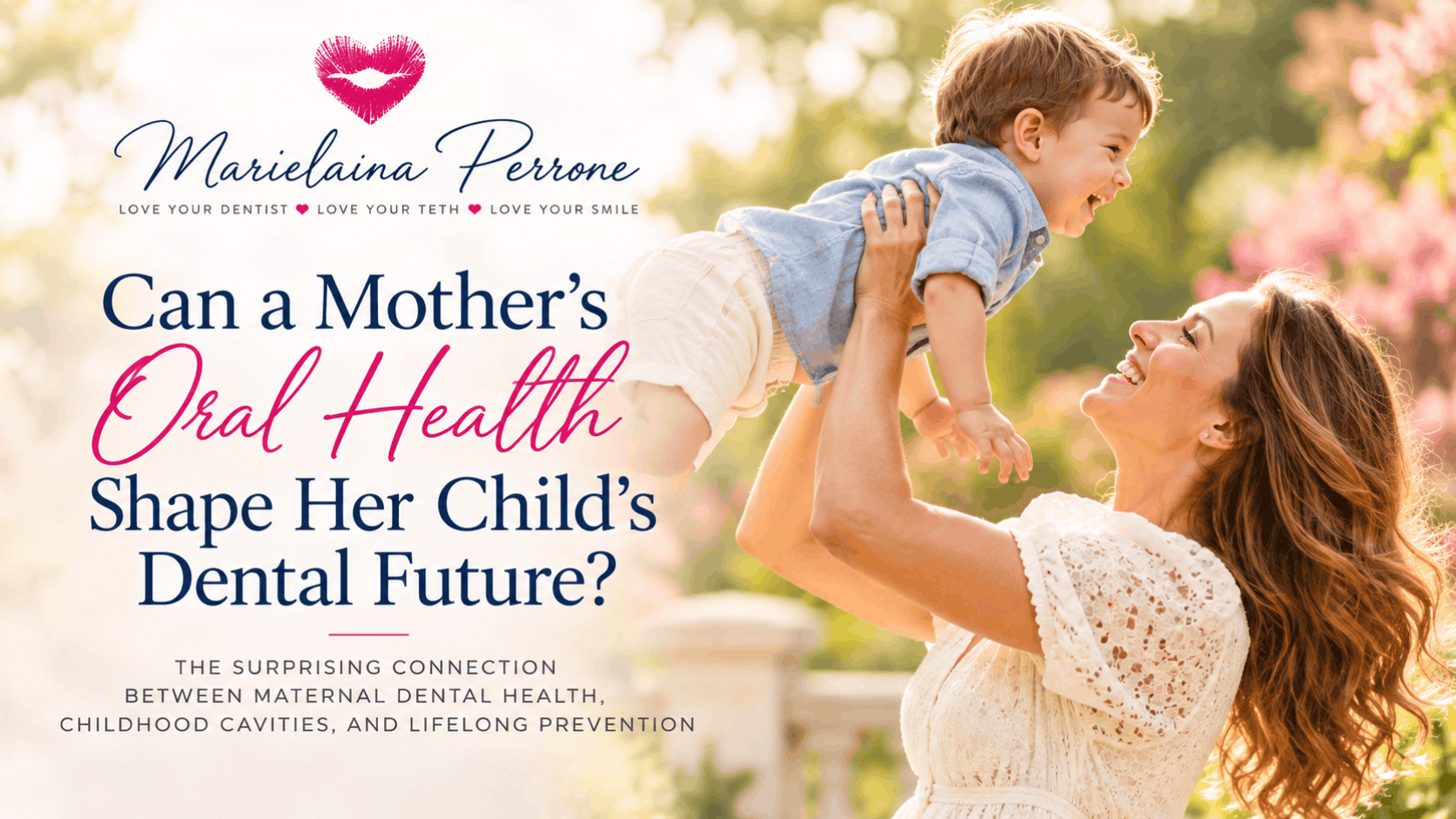
A Child’s Dental Health Story May Begin Before the First Tooth Appears
When we think about children’s dental health, we usually imagine the familiar milestones.
The first baby tooth.
The first toothbrush.
The first dental appointment.
The excitement of losing a tooth and waiting for the tooth fairy. But what if a child’s oral health story begins long before any of those moments? What if the health of a mother’s mouth, her experiences with dentistry, and the habits established at home could influence how her child approaches oral health for years to come? Research suggests that these connections are more meaningful than many parents realize.
A mother’s oral health does not determine her child’s dental future. Genetics, diet, fluoride exposure, access to care, and many other factors play important roles. However, maternal oral health and family behaviors can influence a child’s risk of developing cavities and other dental problems. After more than 25 years of practicing dentistry, I have come to appreciate that prevention often begins much earlier than we think.
“When I care for a mother, I’m not simply thinking about her teeth and gums. I’m also thinking about the opportunity to establish healthy habits that may benefit her entire family. Prevention has a way of reaching beyond the person sitting in the dental chair.”
— Marielaina Perrone, DDS
Can a Mother’s Oral Health Really Predict Her Child’s Oral Health?
Yes, to a degree. Research has found associations between maternal oral health, family behaviors, and children’s risk of developing dental caries. But there is an important distinction between predicting risk and determining an outcome.
A mother with untreated cavities or poor periodontal health does not automatically have a child who will develop dental disease. Likewise, a mother with excellent oral health cannot guarantee that her child will never experience cavities.
What maternal oral health can provide is valuable information about the environment in which a child’s oral health develops. Children often share dietary habits, oral hygiene routines, attitudes toward dental care, and access to preventive services with their parents. There are also biological connections, particularly involving the oral bacteria associated with tooth decay. Together, these influences help explain why dental disease can sometimes appear across generations.
The encouraging part is that many of these risk factors can be changed. And that makes maternal oral health an important opportunity for prevention.

The Bacterial Connection: How Cavities Can Run in Families
One of the most interesting discoveries in dental research involves the bacteria associated with tooth decay.
Dental caries is a biofilm-mediated, sugar-driven disease. Bacteria within dental plaque metabolize fermentable carbohydrates, producing acids that can gradually demineralize tooth enamel. One organism commonly associated with dental caries is Streptococcus mutans.
Studies have demonstrated that mothers and other caregivers can transmit oral bacteria to young children through saliva-sharing behaviors and close contact. This is known as vertical transmission when it occurs from parent to child. However, children also acquire oral microorganisms from siblings, other caregivers, and their broader environment. The presence of S. mutans alone does not mean a child will develop cavities.
Diet, fluoride exposure, saliva, oral hygiene, tooth susceptibility, and the overall microbial community all influence whether dental disease develops.
Still, the connection is important.
A mother with untreated tooth decay may have a greater burden of cavity-associated bacteria, which can be one component of a child’s overall risk.
Does This Mean Mothers Should Avoid Kissing Their Babies?
Absolutely not. Normal affection and close contact are essential parts of parenting. The goal is not to create fear around everyday family interactions. Instead, parents can focus on maintaining their own oral health and avoiding unnecessary saliva-sharing practices, such as cleaning a pacifier with their mouth or sharing utensils when practical.
More importantly, reducing active dental disease and establishing healthy feeding and oral hygiene routines can help lower a child’s cavity risk.
“I never want parents to feel afraid of showing affection to their children. The lesson from this research isn’t to stop being close to your baby. It’s to recognize that taking care of your own oral health is one more way to support your child’s health.”
— Marielaina Perrone, DDS
Pregnancy: An Important Window for Oral Health
Pregnancy brings significant physiological and hormonal changes. These changes can affect the gums, saliva, dietary habits, and oral hygiene routines. Some pregnant patients experience increased gum inflammation, particularly when plaque is present. Others struggle with nausea, vomiting, food cravings, or changes in their usual brushing habits.
These experiences can make maintaining oral health more challenging.
Pregnancy Gingivitis
Hormonal changes during pregnancy can increase the inflammatory response of gum tissue to dental plaque.
As a result, gums may become swollen, tender, or more likely to bleed. This is commonly called pregnancy gingivitis. Although pregnancy-related hormonal changes can influence gum inflammation, plaque control remains important. Professional dental care and effective daily oral hygiene can help manage the condition.
Morning Sickness and Enamel Erosion
Frequent vomiting exposes teeth to stomach acid, which can contribute to enamel erosion.
After vomiting, rinsing with water or a baking soda solution can help neutralize acids. It is generally advisable to wait before brushing immediately after an acid exposure, allowing saliva time to help restore a healthier oral environment.
Is Dental Treatment Safe During Pregnancy?
Yes. Necessary preventive, diagnostic, and restorative dental care is generally considered safe throughout pregnancy.
Professional cleanings, treatment of cavities, and management of dental infections should not automatically be postponed simply because a patient is pregnant. Dental radiographs and local anesthesia may also be used when clinically indicated, following appropriate professional guidance.
Patients should always inform their dentist about their pregnancy, medical history, and any relevant recommendations from their obstetric clinician. Untreated dental infections can create unnecessary risks, making timely care important.
Does Gum Disease During Pregnancy Affect the Baby?
This is an area where scientific evidence requires careful interpretation. Some observational studies have found associations between maternal periodontal disease and adverse pregnancy outcomes, including preterm birth and low birth weight.
Researchers have explored whether periodontal inflammation and related biological pathways may contribute to these associations. However, an association does not establish that gum disease directly causes pregnancy complications.
Clinical trials have not consistently demonstrated that periodontal treatment during pregnancy prevents preterm birth or low birth weight.
That distinction matters.
I believe patients deserve accurate information without unnecessary fear.
Treating periodontal disease during pregnancy is important because maternal oral health matters in its own right. We should not promise that periodontal treatment will prevent pregnancy complications when the evidence does not support that conclusion.
“Good healthcare means understanding what research tells us and being equally honest about what it doesn’t. Pregnancy is a time when patients need reassurance, accurate information, and thoughtful care, not exaggerated claims.”
— Marielaina Perrone, DDS
The First Two Years: When Prevention Becomes a Family Habit
The earliest years of childhood are especially important for establishing oral health routines. Baby teeth begin developing before birth, and the first primary teeth commonly erupt around six months of age, although timing varies. Once teeth appear, they become susceptible to dental caries. This is why prevention should begin early.
Parents can help protect their child’s developing smile through age-appropriate brushing with fluoride toothpaste, healthy feeding practices, and regular professional guidance. The American Academy of Pediatric Dentistry recommends establishing a dental home by 12 months of age or within six months after the first tooth erupts. Early dental visits provide an opportunity to assess risk, discuss feeding habits, evaluate tooth development, and help parents feel confident caring for their child’s teeth.
The first appointment is not simply about finding cavities. It is about helping families prevent them.
The Hidden Influence of Family Eating Habits
One of the strongest connections between parental and childhood oral health involves the foods and drinks consumed at home. Children learn eating habits through repetition and observation.
If sugary beverages are frequently available, children may develop a preference for them.
If frequent snacking becomes part of the daily routine, teeth may experience repeated acid challenges.
Dental caries is influenced not only by how much sugar is consumed, but also by how frequently teeth are exposed to fermentable carbohydrates. Each exposure can contribute to acid production within dental plaque. Over time, repeated demineralization may exceed the tooth’s ability to recover.
Families can reduce risk by making water the primary beverage between meals, limiting frequent sugary snacks and drinks, and establishing consistent oral hygiene habits.
These changes do not require perfection. They require awareness and consistency. Children often learn what normal oral health behavior looks like by watching the adults around them.
A Mother’s Dental Anxiety Can Influence a Child’s Experience
The relationship between maternal and childhood oral health is not exclusively biological. It can also be emotional. Children are remarkably observant.
They notice how parents talk about dental appointments.
They recognize expressions of worry.
They hear stories about painful experiences.
And they often use those observations to decide whether something is safe or frightening.
Research has identified associations between parental dental anxiety and dental fear in children, although the relationship is complex and influenced by many factors. A parent who has experienced difficult dental treatment may unintentionally communicate anxiety even while trying to reassure a child. I see this as an opportunity for compassionate dentistry.
Parents should never feel guilty about being nervous. Instead, I encourage them to use calm, positive language when discussing dental care.
Avoid describing appointments as something to fear or endure.
Focus on the purpose of the visit: keeping teeth healthy and comfortable. And when a parent has dental anxiety, addressing their own concerns may help make the entire family’s experiences more positive.
“Children learn so much from how we respond to the world around us. When parents feel comfortable asking questions and receiving gentle dental care, they have an opportunity to model that confidence for their children.”
— Marielaina Perrone, DDS

Why a Mother’s Dental History Matters
During a child’s dental risk assessment, family dental history can provide useful context. For example, a mother who has experienced frequent cavities may share certain risk factors with her child. These could include dietary patterns, oral hygiene routines, environmental influences, or inherited characteristics affecting tooth structure and saliva.
However, dental caries is multifactorial. There is no single inherited trait or bacterial exposure that determines whether a child will develop cavities. A family history of significant dental disease should prompt thoughtful prevention—not resignation.
Children with elevated cavity risk may benefit from more individualized preventive strategies, including fluoride varnish, closer professional monitoring, and dietary counseling. The goal is to identify risk early enough to make a difference.
What About Fathers, Grandparents, and Other Caregivers?
Although this article focuses on mothers, it is important to recognize that children’s oral health is influenced by the entire caregiving environment. Fathers, grandparents, siblings, and other caregivers can contribute to the habits and microbial exposures that shape a child’s oral health. The same principles apply across families.
Healthy routines are more effective when the people caring for a child support them consistently. This is especially important in households where multiple adults share feeding, brushing, and bedtime responsibilities.
A child’s oral health is a shared opportunity. And that can be a powerful advantage.
The Power of Prevention Before Problems Begin
One of the most meaningful changes in dentistry over my career has been the growing emphasis on risk-based prevention.
We no longer need to think of dental care only as a response to cavities, infections, or damaged teeth.
We can identify risk factors and take steps to reduce them before extensive treatment becomes necessary.
For mothers and young families, this may include:
-
Maintaining regular dental examinations and appropriate professional cleanings.
-
Treating active cavities and periodontal disease.
-
Brushing twice daily with fluoride toothpaste.
-
Cleaning between the teeth as appropriate.
-
Helping children brush as soon as their first teeth appear.
-
Using the recommended amount of fluoride toothpaste for a child’s age.
-
Limiting frequent exposure to sugary foods and beverages.
-
Establishing a dental home early in childhood.
For children younger than three, the American Dental Association recommends a smear or rice-grain-sized amount of fluoride toothpaste.
For children ages three through six, a pea-sized amount is recommended.
Young children need adult assistance or supervision to ensure effective brushing and to minimize swallowing toothpaste.
These may seem like small habits. But small habits practiced consistently can have a lasting influence.

A Healthy Mother Does Not Guarantee a Cavity-Free Child
I want to emphasize something that is often missing from discussions about maternal and childhood health. A child’s dental problems are not proof that a parent has done something wrong. Even attentive families can experience cavities.
Children differ in their tooth anatomy, saliva, enamel characteristics, medical needs, dietary exposures, and access to preventive resources.
Some have developmental conditions or medications that make oral hygiene more difficult.
Others face circumstances that are not entirely within a family’s control.
Research about maternal influence should be used to support families, not assign blame. If a child develops cavities, the most helpful response is to understand the contributing factors and create a realistic plan moving forward. I believe dentistry works best when patients feel informed and supported rather than judged.
“The purpose of understanding risk is not to assign blame. It’s to give families more opportunities to prevent problems, make informed decisions, and feel confident about the care they’re providing.”
— Marielaina Perrone, DDS
The Long-Term Benefits of Growing Up With Preventive Dentistry
Children who establish positive dental routines early may be better prepared to maintain those habits as they grow.
They learn that brushing and cleaning their teeth are ordinary parts of daily life.
They become familiar with dental examinations.
They develop an understanding of why food choices, fluoride, and preventive care matter.
And ideally, they begin to see dentistry as a partnership rather than something reserved for emergencies.
These experiences can influence how children approach their oral health during adolescence and adulthood. Of course, habits can change over time, and early experiences do not guarantee future outcomes. But giving children a strong foundation is a meaningful investment.
When I think about preventive dentistry, I think about much more than avoiding cavities. I think about helping people preserve their natural teeth, maintain comfortable function, and feel confident in their smiles throughout life.
My Philosophy: Healthy Families Begin With Healthy Habits
At my Henderson dental practice, I have always believed that good dentistry begins with understanding the individual.
For a mother, that may mean addressing pregnancy-related gum inflammation, helping manage dental anxiety, or creating a practical preventive routine during a busy stage of life.
For a child, it may mean making the first dental experience positive, identifying early cavity risk, or helping parents understand how to care for newly erupted teeth.
The clinical needs are different. But the philosophy is the same.
Listen carefully.
Educate without judgment.
Prevent what can be prevented.
And recommend treatment that respects the patient’s long-term health.
The most meaningful part of family dentistry is not simply caring for teeth at different ages. It is recognizing how the health decisions made today can influence the opportunities available tomorrow.
“When we help a parent build healthier habits, the benefits may extend far beyond one dental appointment. That’s what I find so rewarding about prevention. It has the potential to influence an entire family’s future.”
— Marielaina Perrone, DDS
Final Thoughts: A Mother’s Oral Health Is Part of a Bigger Story
Can a mother’s oral health predict her child’s oral health? Research suggests that maternal dental health can provide meaningful clues about a child’s risk of developing cavities.
Shared bacteria, dietary patterns, oral hygiene routines, dental anxiety, and access to preventive care all contribute to the relationship. But risk is not destiny.
A mother who has struggled with dental problems can still help her child develop excellent oral health habits.
A family with a history of cavities can make changes that reduce future risk.
And a child who experiences dental problems early can still enjoy a healthy smile with appropriate care and support.
The most important message is not that a mother’s dental history determines her child’s future. It’s that prevention offers families the opportunity to shape that future.
“One of the most beautiful things about preventive dentistry is that its benefits can extend beyond the smile we’re treating today. When we help families understand their oral health, we may be helping protect smiles that are still growing.”
— Marielaina Perrone, DDS
Beautiful Smiles. Personalized Care. Lasting Confidence.
Frequently Asked Questions
Can a mother pass cavity-causing bacteria to her baby?
Yes. Oral bacteria associated with dental caries can be transmitted through saliva, including from mothers and other caregivers. However, bacterial transmission alone does not determine whether a child develops cavities.
Does having cavities during pregnancy mean my baby will have cavities?
No. Maternal cavities may be associated with increased childhood caries risk, but they do not guarantee that a child will develop tooth decay. Diet, fluoride, oral hygiene, and other factors play important roles.
Is it safe to have a dental cleaning while pregnant?
Yes. Routine preventive dental care and necessary treatment are generally considered safe during pregnancy. Patients should inform their dentist about their pregnancy and relevant medical history.
Can pregnancy cause gum disease?
Hormonal changes during pregnancy can increase gum inflammation in response to plaque. Pregnancy does not automatically cause periodontitis, but existing periodontal conditions should be evaluated and managed appropriately.
When should my baby first see a dentist?
The American Academy of Pediatric Dentistry recommends establishing a dental home by the first birthday or within six months of the first tooth erupting.
Can my dental anxiety affect my child?
Parental dental anxiety has been associated with dental fear in children. Using calm, reassuring language and creating positive dental experiences may help children develop confidence.
Do genetics determine whether my child will get cavities?
No. Genetic factors may influence susceptibility, but dental caries is a multifactorial disease involving bacteria, diet, saliva, fluoride exposure, oral hygiene, and other influences.
How can I lower my child’s risk of cavities?
Begin brushing when the first tooth erupts, use an age-appropriate amount of fluoride toothpaste, limit frequent sugary drinks and snacks, schedule early dental visits, and follow individualized preventive recommendations.
About Marielaina Perrone, DDS
Dr. Marielaina Perrone is a highly respected and experienced dentist in Henderson, Nevada, with over two decades of expertise in providing quality dental care to her patients. She graduated from Stony Brook University School Of Dental Medicine and has completed advanced training in cosmetic dentistry, implant dentistry, and orthodontics.
Dr. Perrone takes a patient-centered approach and believes in personalized treatment plans tailored to each individual’s unique needs and preferences. Her gentle and compassionate demeanor creates a comfortable and relaxed atmosphere for patients during their dental appointments.

Reviewed for Clinical Accuracy
This article has been written and clinically reviewed by Marielaina Perrone, DDS, to ensure it reflects current evidence-based dentistry and the personalized philosophy of care practiced at her Henderson, Nevada office.
Last Reviewed: October 2026
Building Healthy Smiles for Every Generation in Henderson, NV
Whether you’re planning a family, expecting a baby, raising young children, or simply looking to improve your own oral health, preventive dental care is an investment in your future.
At my Henderson, Nevada practice, I believe every patient deserves personalized recommendations, thoughtful treatment, and a comfortable environment where questions are always welcome.