Cold Sores Explained: What Causes Them, Why They Return, and How to Reduce Outbreaks

Cold sores are among the most common viral infections affecting the lips and mouth. Also known as fever blisters, these painful, fluid-filled blisters affect millions of Americans each year. Although they often heal on their own, cold sores can be uncomfortable, highly contagious, and frustrating, especially when they recur.
One of the most common questions patients ask is:
“What actually causes cold sores?”
The answer is surprisingly simple: the herpes simplex virus (HSV-1). Once you’re infected, the virus remains in your body for life, becoming dormant between outbreaks and reactivating under certain conditions.
At Marielaina Perrone, DDS, in Henderson, NV, we help patients recognize cold sores early, understand their triggers, and take steps to reduce both outbreaks and transmission.
What Are Cold Sores?
Cold sores are small, painful blisters that usually develop on or around the lips. They may also appear around the nose, chin, or, less commonly, inside the mouth.
They are caused primarily by:
- Herpes Simplex Virus Type 1 (HSV-1)
Less commonly, HSV-2—the virus more often associated with genital herpes—can also cause oral infections through oral contact.
Once infected, the virus travels along nearby nerves and remains dormant inside nerve cells, where it can reactivate periodically throughout life.
“Cold sores are extremely common. Understanding what triggers them allows many patients to reduce both the frequency and severity of outbreaks.”
— Marielaina Perrone, DDS

How Do People Get Cold Sores?
HSV-1 spreads through direct contact with infected saliva or skin.
Common sources include:
- Kissing
- Sharing drinks
- Sharing eating utensils
- Sharing lip balm or lipstick
- Sharing razors
- Oral contact during an active outbreak
Many people become infected during childhood through close contact with family members.
In fact, a large percentage of adults carry HSV-1, even if they’ve never developed a visible cold sore.
What Triggers Cold Sore Outbreaks?
After the initial infection, the virus usually becomes inactive.
Certain triggers can reactivate it, including:
Stress
Physical or emotional stress remains one of the most common triggers.
Examples include:
- Work stress
- Family stress
- Illness
- Lack of sleep
Sun Exposure
Ultraviolet (UV) radiation can trigger outbreaks.
Many patients notice cold sores after:
- Beach vacations
- Ski trips
- Extended outdoor activities
Lip balm containing SPF may help reduce this risk.
Illness
Colds, influenza, COVID-19, and other infections temporarily weaken the immune system, making viral reactivation more likely.
Hormonal Changes
Some women experience outbreaks around:
- Menstruation
- Pregnancy
- Menopause
Dental Treatment
Occasionally, dental procedures may trigger an outbreak due to temporary tissue irritation or physical stress.
Patients with frequent cold sores should inform their dentist before treatment. Preventive antiviral medication may be recommended in selected cases.
Fatigue
Poor sleep and prolonged exhaustion may reduce immune function and increase susceptibility to outbreaks.
What Causes Cold Sores—and Why Do They Keep Coming Back?
Cold sores are caused primarily by herpes simplex virus type 1. Open each section to understand how the virus spreads, why it remains in the body, what triggers outbreaks, and how to reduce discomfort and transmission.
1. What Is the Main Cause of Cold Sores?
Herpes simplex virus type 1 is the usual cause
Cold sores, also called fever blisters, are caused primarily by herpes simplex virus type 1 (HSV-1). After the initial infection, the virus remains dormant in nearby nerve tissue and may reactivate later.
✓ HSV-1 is the most common cause
✓ HSV-2 can occasionally cause oral infection
✓ The virus remains in the body for life
✓ Not everyone who carries HSV develops visible sores
“Cold sores are common, contagious, and manageable—but they are caused by a virus that remains in the body.”
— Marielaina Perrone, DDS
2. How Does HSV-1 Spread?
Direct contact is the primary route
The virus can spread through contact with infected skin, saliva, or oral secretions. Transmission is most likely during an active outbreak, but it can occasionally occur without a visible blister.
✓ Kissing
✓ Sharing drinks or utensils
✓ Sharing lip balm or lipstick
✓ Sharing razors
✓ Oral contact during an outbreak
✓ Touching a sore and then touching another person
3. Why Do Cold Sores Return?
The virus becomes dormant between outbreaks
After the initial infection, HSV-1 travels along nearby nerves and remains inactive until a trigger causes it to reactivate.
✓ The virus does not leave the body
✓ Outbreak frequency varies
✓ Some people have one outbreak
✓ Others experience recurring episodes
4. What Commonly Triggers an Outbreak?
Physical and emotional stress can reactivate the virus
Triggers differ from person to person, but several patterns are commonly reported.
✓ Emotional stress
✓ Illness or fever
✓ Sun exposure
✓ Fatigue or poor sleep
✓ Hormonal changes
✓ Dental treatment or tissue irritation
✓ Temporary immune-system stress
5. What Are the Earliest Warning Signs?
Treatment works best when started early
Many patients notice a prodrome—a warning stage—before a blister appears.
✓ Tingling
✓ Burning
✓ Itching
✓ Tightness
✓ Tenderness
✓ Localized sensitivity
“Recognizing the tingling stage gives patients the best opportunity to begin treatment early.”
— Marielaina Perrone, DDS
6. What Happens During an Outbreak?
Cold sores usually follow a predictable cycle
A cluster of fluid-filled blisters may form, rupture, crust, and gradually heal. Most uncomplicated outbreaks improve within about one to two weeks.
✓ Tingling or burning stage
✓ Blister formation
✓ Fluid release
✓ Crusting
✓ Gradual healing
7. When Are Cold Sores Most Contagious?
The blister and open-sore stages carry the greatest risk
Cold sores are especially contagious when fluid is present, but the virus may spread from the earliest tingling stage until the skin has fully healed.
✓ Avoid kissing
✓ Do not share utensils or drinks
✓ Avoid sharing lip products
✓ Wash hands after touching the area
✓ Avoid oral contact until fully healed
8. Can Dental Treatment Trigger a Cold Sore?
Yes, in some susceptible patients
Physical stress, stretching of the lips, tissue irritation, and emotional stress surrounding treatment may contribute to reactivation in patients with recurrent cold sores.
✓ Tell the dental office about frequent outbreaks
✓ Call before an appointment if a sore is active
✓ Elective treatment may be postponed
✓ Preventive antiviral medication may be considered in selected patients
9. How Can Outbreaks Be Reduced?
Prevention focuses on known triggers
There is no guaranteed way to prevent every outbreak, but reducing triggers and supporting overall health may help.
✓ Use SPF lip balm
✓ Get adequate sleep
✓ Manage stress
✓ Stay hydrated
✓ Avoid picking at the area
✓ Maintain good nutrition
✓ Discuss frequent outbreaks with a healthcare professional
10. Which Treatments May Help?
Antiviral treatment may shorten or suppress outbreaks
Prescription antiviral medications are most effective when started early. Some patients with frequent outbreaks may benefit from suppressive therapy.
✓ Valacyclovir
✓ Acyclovir
✓ Famciclovir
✓ Topical comfort measures
✓ Preventive treatment for selected patients
11. When Should You Seek Professional Care?
Not every lip sore is a routine cold sore
Evaluation is important when sores are severe, persistent, unusually frequent, near the eye, or accompanied by other concerning symptoms.
✓ Sores lasting longer than two weeks
✓ Frequent or worsening outbreaks
✓ Severe pain
✓ Eye irritation or eye involvement
✓ Difficulty eating or drinking
✓ Weakened immune system
✓ Uncertain diagnosis
12. What Should You Do Before a Dental Appointment?
Communication protects comfort and safety
Contact the office if you have an active lesion before treatment. The decision to proceed depends on the location and stage of the sore and the type of dental procedure planned.
✓ Notify the dental team
✓ Avoid touching the lesion
✓ Do not apply unapproved products immediately before treatment
✓ Ask whether postponement is recommended
✓ Discuss preventive medication if outbreaks are predictable
“A quick phone call before the appointment allows the dental team to choose the safest and most comfortable plan.”
— Marielaina Perrone, DDS
Educational Note
This guide is educational and cannot diagnose a lip or mouth lesion. Seek professional evaluation for sores that are persistent, severe, recurrent, unusual in appearance, near the eye, or accompanied by significant illness. Antiviral medication should be used only as directed by a qualified healthcare professional.
What Does a Cold Sore Feel Like?
Many patients experience warning symptoms before a blister appears.
Common early signs include:
- Tingling
- Burning
- Itching
- Tightness
- Mild tenderness
Within one or two days, small fluid-filled blisters typically develop.
The sores eventually rupture, crust over, and heal.
Most outbreaks resolve within 7 to 14 days.
Are Cold Sores Contagious?
Yes.
Cold sores are most contagious:
- During the blister stage
- While fluid is present
- Until the sore has completely healed
To reduce transmission:
- Avoid kissing
- Do not share drinks or utensils
- Avoid oral contact
- Wash your hands after touching the sore
- Replace your toothbrush after healing

Can Cold Sores Be Prevented?
Although there is currently no cure for HSV-1, several strategies may reduce outbreaks.
Protect Your Lips
Use SPF-containing lip balm whenever spending time outdoors.
Reduce Stress
Healthy stress-management techniques include:
- Exercise
- Meditation
- Adequate sleep
- Relaxation exercises
Maintain Overall Health
Supporting your immune system through:
- Good nutrition
- Regular exercise
- Hydration
- Adequate sleep
may help decrease outbreaks.
Antiviral Medications
Prescription antiviral medications such as:
- Valacyclovir (Valtrex®)
- Acyclovir (Zovirax®)
- Famciclovir (Famvir®)
may shorten outbreaks or reduce recurrence in patients with frequent episodes.
When Should You See a Dentist or Physician?
Seek professional evaluation if:
- Cold sores occur frequently
- Sores persist longer than two weeks
- Symptoms become unusually severe
- The sores spread into the eyes
- You have a weakened immune system
- You experience significant pain while eating or drinking
Prompt treatment can often reduce discomfort and speed healing.
Cold Sores and Dental Care
If you have an active cold sore before a scheduled dental appointment, notify your dental office.
Depending on the type of treatment, your dentist may recommend postponing elective care until the lesion has healed to reduce discomfort and minimize the risk of spreading the virus.
Patients with a history of frequent outbreaks may benefit from preventive antiviral medication before lengthy dental procedures.
Why Choose Marielaina Perrone, DDS?
Patients throughout Henderson, Green Valley, Anthem, Seven Hills, Summerlin, and the Las Vegas area trust Dr. Perrone because she takes a comprehensive approach to oral health.
Whether evaluating oral sores, diagnosing dental infections, or providing preventive care, she emphasizes:
- Comprehensive oral examinations
- Early diagnosis
- Patient education
- Evidence-based recommendations
- Personalized treatment planning
- Compassionate, conservative care
Her goal is to help patients maintain healthy smiles while minimizing discomfort and preventing future complications.
Frequently Asked Questions
What is the main cause of cold sores?
Cold sores are caused by the herpes simplex virus type 1 (HSV-1). Once infected, the virus remains dormant in nerve tissue and may reactivate periodically throughout life.
Can stress cause cold sores?
Stress does not cause the virus itself, but it is one of the most common triggers for reactivating dormant HSV-1, leading to an outbreak.
Are cold sores contagious before the blister appears?
Yes. The virus may be spread during the early tingling or burning stage, even before a visible blister develops.
Can dental treatment trigger a cold sore?
In some individuals, yes. Physical stress or irritation associated with dental procedures may trigger an outbreak. Patients with a history of recurrent cold sores should inform their dentist before treatment.
Is there a cure for cold sores?
There is currently no cure for HSV-1. However, antiviral medications can reduce the severity and duration of outbreaks and help prevent recurrences in some patients.
Should I keep my dental appointment if I have an active cold sore?
It depends on the planned procedure. Contact your dental office before your appointment. In many cases, elective treatment may be postponed until the cold sore has healed.
About Marielaina Perrone
Dr. Marielaina Perrone, DDS, is a highly skilled cosmetic and family dentist based in Henderson, dedicated to transforming smiles and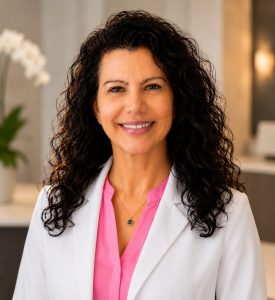 improving lives through compassionate, patient-centered care.
With over 20 years of clinical experience, Dr. Perrone combines advanced dental techniques with a refined artistic eye to deliver exceptional results in porcelain veneers, dental implants, smile makeovers, periodontal therapy, dermal fillers, Botox, and comprehensive facial aesthetic treatments. Her approach goes beyond dentistry—focusing on facial harmony, function, and long-term wellness.
A graduate at the top of her class, Dr. Perrone is committed to continuing education and advanced training, ensuring her patients benefit from the latest innovations in both dentistry and aesthetic medicine. Every treatment is thoughtfully planned and tailored to achieve natural-looking, confident results that enhance both appearance and overall well-being.
She is passionate about patient education, preventive care, and building lasting relationships grounded in trust, comfort, and open communication. Patients appreciate her attention to detail, gentle approach, and commitment to delivering care that is both precise and personalized.
Dr. Perrone proudly serves patients throughout Henderson, Green Valley, and the greater Las Vegas area.
Outside the office, she enjoys cooking, staying active, and spending time with her family.

Reviewed for Clinical Accuracy
This article has been written and clinically reviewed by Marielaina Perrone, DDS, to ensure it reflects current evidence-based dentistry and the personalized philosophy of care practiced at her Henderson, Nevada office.
Last Reviewed: August 2026