Why Do Some People Get Periodontal Disease While Others Don’t? Understanding What Really Causes Gum Disease

Two people can brush about the same amount, see the dentist with similar regularity, and accumulate dental plaque—yet one develops significant periodontal disease while the other does not.
Why?
For many years, gum disease was explained fairly simply: plaque contains bacteria, bacteria irritate the gums, and untreated gingivitis eventually becomes periodontal disease. That explanation isn’t entirely wrong. Dental plaque biofilm is essential to the disease process. But it doesn’t tell the whole story.
Today, we understand periodontitis as a much more complex interaction between the microorganisms living around the teeth, inflammation, the body’s immune response, genetics, health conditions, habits such as smoking, and individual susceptibility. Research also suggests that periodontitis is not simply an infection caused by one specific “bad” bacterium. That’s one reason periodontal disease can look so different from one patient to another.
“When I evaluate a patient’s periodontal health, I’m not only looking at how much plaque is present. I’m looking at how that patient’s tissues are responding to it, their bone levels, pocket depths, bleeding, health history, medications, habits, and how those findings have changed over time.”
— Marielaina Perrone, DDS
The Better Question Isn’t Just “What Causes Gum Disease?”
A better question may be: What causes a healthy relationship between the bacteria in the mouth and the body to become destructive?
Our mouths naturally contain complex communities of microorganisms. Having bacteria in your mouth is normal—and eliminating all oral bacteria would neither be possible nor desirable.
In periodontal health, the microbial community and the body’s immune system generally exist in a controlled relationship. Problems begin when that balance changes.
Researchers commonly describe this shift as dysbiosis: a change in the microbial community and its relationship with the host. At the same time, the body’s inflammatory response can become part of a destructive cycle affecting the gum tissue, periodontal ligament, and eventually the bone supporting the teeth. That is much closer to the modern understanding of periodontitis than simply saying:
“You have too much bacteria.”
Why Do Some People Develop Gum Disease While Others Don’t?
Periodontal disease develops through an interaction between oral bacteria, inflammation, individual susceptibility, health conditions and lifestyle. Explore the factors that can change your risk.
Your Periodontal Risk Is Personal
No single factor tells the whole story. Several influences can work together over time.
Plaque Biofilm
Bacterial biofilm around the gumline initiates the inflammatory challenge.
Inflammation
An ongoing immune response can contribute to destruction of supporting tissue and bone.
Susceptibility
Genetics and individual biology may influence how strongly your body responds.
Health & Habits
Smoking, diabetes and other health factors can modify periodontal risk.
Periodontal Disease Is an Interaction
This is why two people with similar amounts of plaque may not experience the same periodontal outcome.
Could Your Gums Be Trying to Tell You Something?
Periodontal disease can progress quietly. Consider a periodontal evaluation if you’ve noticed any of these changes.
No symptoms? Periodontal disease can sometimes develop with few noticeable warning signs, making professional evaluation important.
Periodontal Care Shouldn’t Be About Blame
If you have periodontal disease, the answer isn’t simply that you “didn’t brush enough.” Understanding your individual risk factors can help create a more appropriate plan for controlling disease and protecting your teeth.
Wondering What’s Really Happening With Your Gums?
A periodontal evaluation can help identify inflammation, pocket depths, gum recession, bone changes and personal risk factors—so recommendations are based on your individual oral health rather than a one-size-fits-all approach.
Schedule a Periodontal Evaluation →
Plaque Starts the Conversation but Your Body Helps Determine What Happens Next
Dental plaque is a biofilm: an organized community of microorganisms attached to tooth surfaces. When plaque accumulates around the gumline, it can initiate an inflammatory response. Initially, that may result in gingivitis, redness, swelling, tenderness, or bleeding without destruction of the bone supporting the teeth.
Gingivitis does not inevitably become periodontitis.
In susceptible individuals, however, the interaction between the microbial biofilm and the immune-inflammatory response can progress to destruction of the tissues supporting the teeth. Research describes a feedback relationship in which inflammation can alter the environment beneath the gums in ways that favor a disease-associated microbial community, which can then perpetuate inflammation.
In other words:
Bacteria stimulate inflammation → the environment changes → the microbial community changes → inflammation continues → supporting tissues can begin to break down.
That cycle helps explain why controlling periodontal disease requires more than temporarily making the teeth look clean.

Why Doesn’t Everyone With Plaque Develop Severe Periodontal Disease?
This is where periodontal disease becomes especially interesting. People aren’t equally susceptible.
The same bacterial challenge can produce different responses in different people. A person’s immune response, genetics, systemic health, smoking status, age, oral hygiene, and other environmental influences can alter periodontal risk.
Think of plaque biofilm as one part of an equation rather than the entire equation.
Smoking Can Change the Equation
Smoking is one of the most important modifiable risk factors for periodontal disease. It can affect immune function, healing, the periodontal environment, and disease progression. Importantly, smokers may sometimes display less obvious bleeding or visible inflammation, even while periodontal destruction is occurring.
That means gums that don’t bleed aren’t automatically healthy.
“Periodontal disease can be deceptive. The amount of discomfort or even visible inflammation a patient experiences doesn’t necessarily tell me how much supporting bone has been lost.”
— Dr. Perrone
Diabetes Can Increase Susceptibility
Diabetes is another important part of the periodontal risk picture, particularly when blood glucose is not well controlled. This doesn’t mean that having diabetes guarantees periodontal disease. Nor does periodontal disease mean someone has diabetes.
Rather, systemic health can influence how the body responds to the microbial and inflammatory challenges occurring around the teeth. The ADA identifies diabetes, along with smoking, as an environmental/systemic influence that can significantly contribute to periodontal disease.
Genetics Matter but They Aren’t Destiny
Patients sometimes tell me:
“Everyone in my family loses their teeth. I guess I just have bad gums.”
There may indeed be a genetic component.
Periodontal disease is considered multifactorial, and genetic differences can influence susceptibility and the way an individual’s immune system responds to the subgingival microbiome. However, the ADA notes that no single gene has been identified as having an impact comparable to major environmental influences such as smoking or diabetes. So family history deserves attention but it should not be interpreted as an inevitable future.
Genetic susceptibility is not the same thing as genetic destiny.
Is Periodontal Disease Really an Infection?
Bacteria are unquestionably central to periodontal disease, but describing periodontitis as a traditional bacterial infection can oversimplify what is happening. Unlike diseases caused primarily by one identifiable pathogen, periodontal disease involves complex communities of microorganisms interacting with the host immune system. Contemporary models emphasize polymicrobial communities, changes in microbial ecology, and dysregulated inflammation rather than a single organism acting alone.
Even researchers continue to debate precisely how the term dysbiosis should be applied to periodontal disease. One critical review argues that the periodontal microbiome does not behave exactly like dysbiosis seen in some other chronic diseases and describes periodontal destruction as a form of highly individualized pathology involving varying combinations of microbes and host risk factors.
That scientific debate actually reinforces an important point for patients: Periodontitis is not a one-bacterium, one-cause, one-treatment disease.
Why Inflammation Matters So Much
Patients sometimes assume bacteria directly “eat away” the bone around their teeth. The reality is more complicated.
Much of the tissue destruction associated with periodontitis occurs through the body’s inflammatory and immune response to the microbial challenge. Inflammation is normally protective. Your immune system is supposed to react when potentially harmful microorganisms threaten tissue. But when inflammation becomes persistent and dysregulated, the response intended to protect the body can contribute to destruction of the periodontal ligament and alveolar bone supporting the teeth.
That distinction helps explain something patients often find puzzling:
Periodontal disease isn’t simply about how “dirty” someone’s teeth are. It is about what is happening at the interface between the biofilm and the person.
Why Periodontal Disease Can Progress Quietly
One of the most dangerous characteristics of periodontitis is that significant destruction can occur without significant pain.
A cavity may eventually hurt.
A cracked tooth may suddenly become painful.
Advanced periodontal disease, however, can sometimes progress while the patient feels relatively normal.
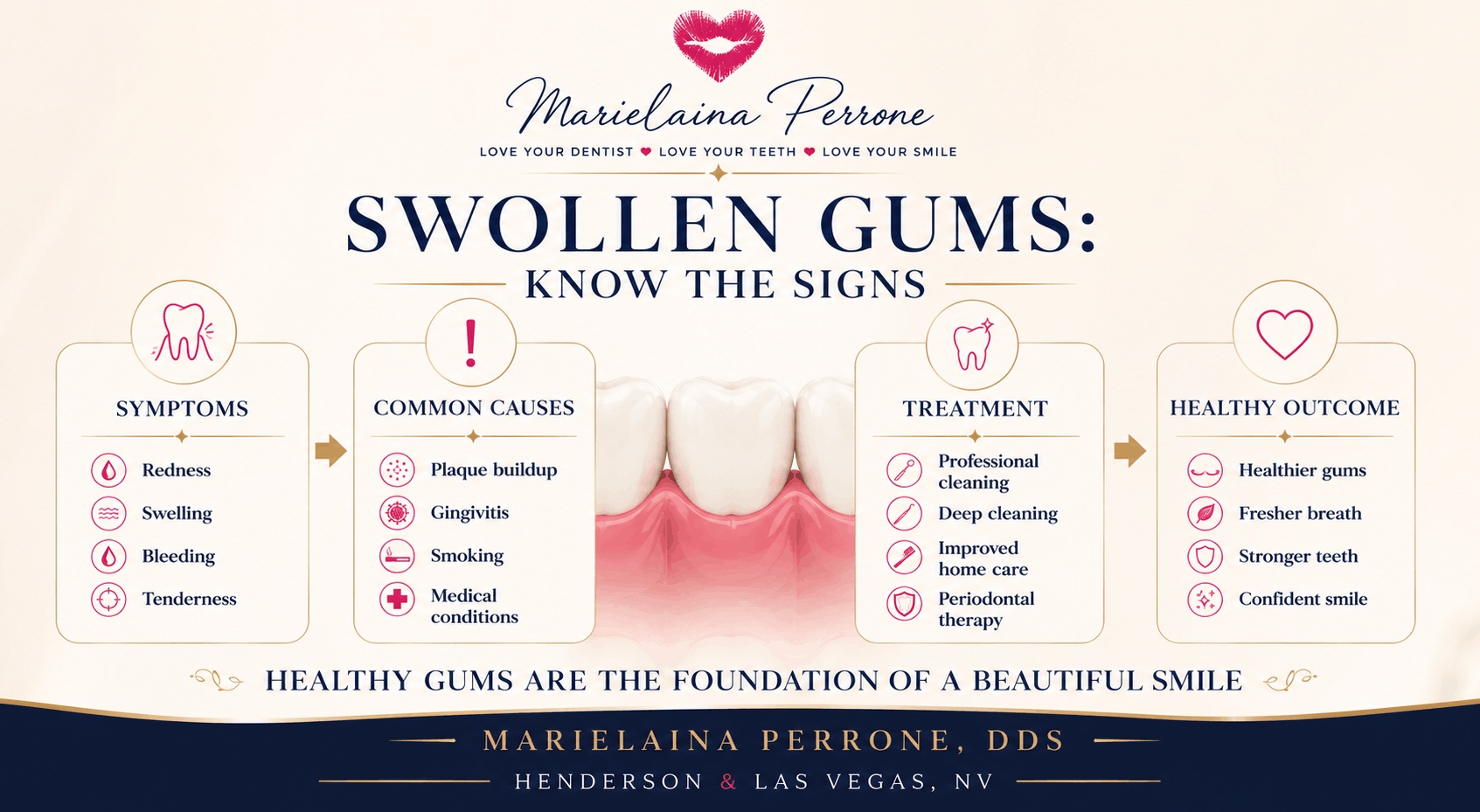
Possible signs include:
- Bleeding gums
- Persistent bad breath
- Gum recession
- Increasing spaces between teeth
- Changes in the bite
- Tooth mobility
- Swollen or tender gums
- Pus around a tooth or gum pocket
But some patients have few noticeable symptoms. That’s why periodontal diagnosis shouldn’t depend on whether something hurts.

How Do We Know If Periodontal Disease Is Actually Happening?
We look for evidence of what the disease has done and what it may currently be doing. A periodontal evaluation can include probing depths, bleeding, gum recession, clinical attachment levels, tooth mobility, plaque and calculus, radiographic bone levels, and relevant medical and behavioral risk factors.
The pattern matters. So does change over time. One isolated number rarely tells the entire story.
“I don’t diagnose periodontal disease from one bleeding spot or one pocket measurement. I’m looking for the pattern. The relationship between the gums, bone, teeth, inflammation, risk factors, and what has changed over time.”
— Dr. Marielaina Perrone, DDS
Can Someone With Excellent Oral Hygiene Still Develop Periodontitis?
Yes. Excellent oral hygiene can substantially reduce an important component of periodontal risk, but it cannot erase every biological or systemic influence.
Conversely, someone can have visible plaque without having advanced periodontal destruction at that moment.
Neither observation means plaque doesn’t matter. It means risk is individualized.
That’s why two people shouldn’t necessarily receive identical periodontal recommendations simply because they’re the same age or have similar amounts of plaque.
Why Understanding the Cause Changes Treatment
If periodontitis were simply “dirty teeth,” treatment would be easy: Clean the teeth once and the disease would be gone.
But periodontal therapy has a larger objective.
We want to disrupt and control the biofilm, reduce inflammation, create an environment the patient can maintain, identify modifiable risk factors, and then monitor whether periodontal stability is actually being achieved.
For some patients, that may involve scaling and root planing followed by periodontal maintenance.
For others, additional periodontal therapy may be appropriate.
Smoking cessation, improved diabetes management in coordination with the patient’s physician, better home plaque control, and appropriate maintenance intervals can also be important pieces of long-term management.
The treatment should respond to the patient’s disease. Not merely the name of the disease.
Can Periodontal Disease Come Back?
Periodontitis is better thought of as a condition requiring long-term management rather than something permanently erased after one treatment. Once periodontal attachment and bone have been lost, maintaining the remaining support becomes especially important.
Successful treatment can help establish periodontal stability, but the biological and behavioral factors that contributed to disease susceptibility may still exist.
That’s why periodontal maintenance is different from simply saying: “We cleaned it, so you’re finished.”
What Patients Should Take Away From All of This
If you’ve been diagnosed with periodontal disease, don’t reduce the diagnosis to: “I must not have brushed well enough.”
Plaque control matters tremendously, but periodontal disease is more biologically complex than that. Likewise, don’t assume that because your parents lost their teeth, you inevitably will too. And don’t assume that because your gums don’t hurt, everything underneath them must be healthy.
Modern periodontal care is about understanding the complete picture:
microbial biofilm + inflammation + susceptibility + health + habits + time.
The combination is different for every patient.
A More Personal Approach to Periodontal Care in Henderson, NV
At my Henderson dental practice, serving Green Valley, Anthem, Seven Hills, Summerlin, and the greater Las Vegas Valley, periodontal care begins with understanding why disease may be occurring in that particular patient. The goal isn’t to lecture someone about flossing or simply assign a label such as “gum disease.”
It’s to determine what the gums and supporting bone are telling us, identify modifiable risks where possible, control inflammation and infection, and develop a realistic plan for keeping the teeth healthy for as long as possible.
“When patients understand why periodontal disease happens, the conversation changes. It becomes less about blame and more about understanding risk and what we can do about it.”
— Marielaina Perrone, DDS
Frequently Asked Questions
What is the main cause of periodontal disease?
Dental plaque biofilm is essential to the development of common plaque-induced periodontal diseases, but periodontitis results from a more complex interaction between the microbial community and the individual’s inflammatory and immune response. Smoking, diabetes, genetics, environmental factors, and other influences can modify susceptibility.
Does gingivitis always become periodontal disease?
No. Gingivitis is inflammation confined to the gums and does not automatically progress to periodontitis. Progression depends partly on individual susceptibility and other risk factors.
Is periodontal disease caused by poor oral hygiene?
Inadequate plaque control can contribute significantly, but describing periodontitis simply as a consequence of poor hygiene is incomplete. Individual host response and risk factors help determine whether destructive disease develops.
Can periodontal disease be genetic?
Genetics can influence susceptibility, but periodontal disease is multifactorial. The ADA notes that environmental and systemic factors such as smoking and diabetes can have substantial effects, and current genetic testing has limited clinical utility for routine periodontal risk assessment.
Can periodontal disease occur without pain?
Yes. Periodontitis may progress with little discomfort, which is why periodontal measurements and dental radiographs can be important even when a patient feels fine.
Can periodontal disease be controlled?
Often, yes. Appropriate professional treatment, effective home care, management of modifiable risk factors, and ongoing periodontal maintenance can help patients achieve and maintain periodontal stability.
About Marielaina Perrone, DDS
Dr. Marielaina Perrone, DDS, is a trusted cosmetic and family dentist in Henderson, NV(opens in new tab), known for helping patients achieve healthy, beautiful smiles through personalized, compassionate care. With more than 20 years of clinical experience, she combines advanced dental expertise with an artistic eye to deliver exceptional results in porcelain veneers, dental implants, smile makeovers, periodontal therapy, Botox, dermal fillers, and facial aesthetic treatments.
A graduate with honors from Stony Brook University School of Dental Medicine, Dr. Perrone remains committed to lifelong learning and regularly pursues advanced continuing education in cosmetic dentistry, implant dentistry, and facial aesthetics. Her comprehensive approach focuses on enhancing oral health, facial harmony, and overall confidence through customized treatment plans tailored to each patient’s unique goals.
Dr. Perrone is passionate about patient education, preventive care, and building lasting relationships founded on trust, communication, and comfort. She believes every patient deserves individualized attention and treatment that supports both long-term health and a confident smile.
Proudly serving Henderson, Green Valley, Seven Hills, Anthem, Las Vegas, Summerlin, and surrounding communities, Dr. Perrone is dedicated to providing modern, patient-centered dentistry in a welcoming environment. Outside the office, she enjoys cooking, staying active, spending time with family, and participating in community activities throughout the Las Vegas Valley.

Reviewed for Clinical Accuracy
Every article published on drperrone.com is personally written or clinically reviewed by Marielaina Perrone, DDS to ensure it reflects current evidence-based dentistry, modern treatment recommendations, and her philosophy that beautiful smiles are created through personalized care, facial harmony, and long-term oral health.
Last Reviewed: September 2026