How Long Do Porcelain Veneers Last? Expert Tips to Protect Your Investment

A beautiful smile is one of the best investments you can make in yourself. Porcelain veneers have helped millions of people achieve brighter, straighter, and more youthful smiles by correcting discoloration, chips, worn teeth, gaps, and minor alignment issues.
One of the first questions patients ask during a cosmetic consultation is:
“How long will my porcelain veneers last?”
The answer is encouraging. With modern materials, meticulous treatment planning, and proper maintenance, porcelain veneers routinely last 10 to 20 years, and many continue looking beautiful even longer.
At her Henderson, Nevada practice, Marielaina Perrone, DDS, combines artistic smile design with advanced cosmetic dentistry to create veneers that are designed for long-term beauty, function, and durability.
What Are Porcelain Veneers?
Porcelain veneers are ultra-thin, custom-crafted ceramic shells that are permanently bonded to the front surfaces of your teeth.
They are designed to improve:
- Tooth color
- Tooth shape
- Minor spacing
- Small chips
- Worn teeth
- Mild misalignment
- Overall smile symmetry
Because porcelain closely mimics natural enamel, veneers provide one of the most lifelike cosmetic restorations available in dentistry today.

Dr. Perrone’s Perspective
“Beautiful veneers aren’t about creating a perfect smile—they’re about creating the right smile for you. When veneers are carefully designed, properly bonded, and well maintained, they can provide beautiful, natural-looking results for many years.”
— Marielaina Perrone, DDS
How Long Should Porcelain Veneers Last?
Most high-quality porcelain veneers last:
- 10–15 years on average
- 15–20 years or longer with excellent care
Longevity depends on several factors, including:
- Quality of materials
- Dentist’s experience
- Bite forces
- Oral hygiene
- Lifestyle habits
- Regular dental care
Well-designed veneers don’t suddenly “expire.” Instead, they gradually experience normal wear over many years.
What Determines How Long Veneers Last?
1. The Quality of the Veneers
Modern dental ceramics are stronger and more natural-looking than ever before.
Premium porcelain offers:
- Excellent durability
- Outstanding stain resistance
- Beautiful translucency
- Exceptional color stability
Higher-quality materials generally provide longer-lasting results.
2. Proper Smile Design
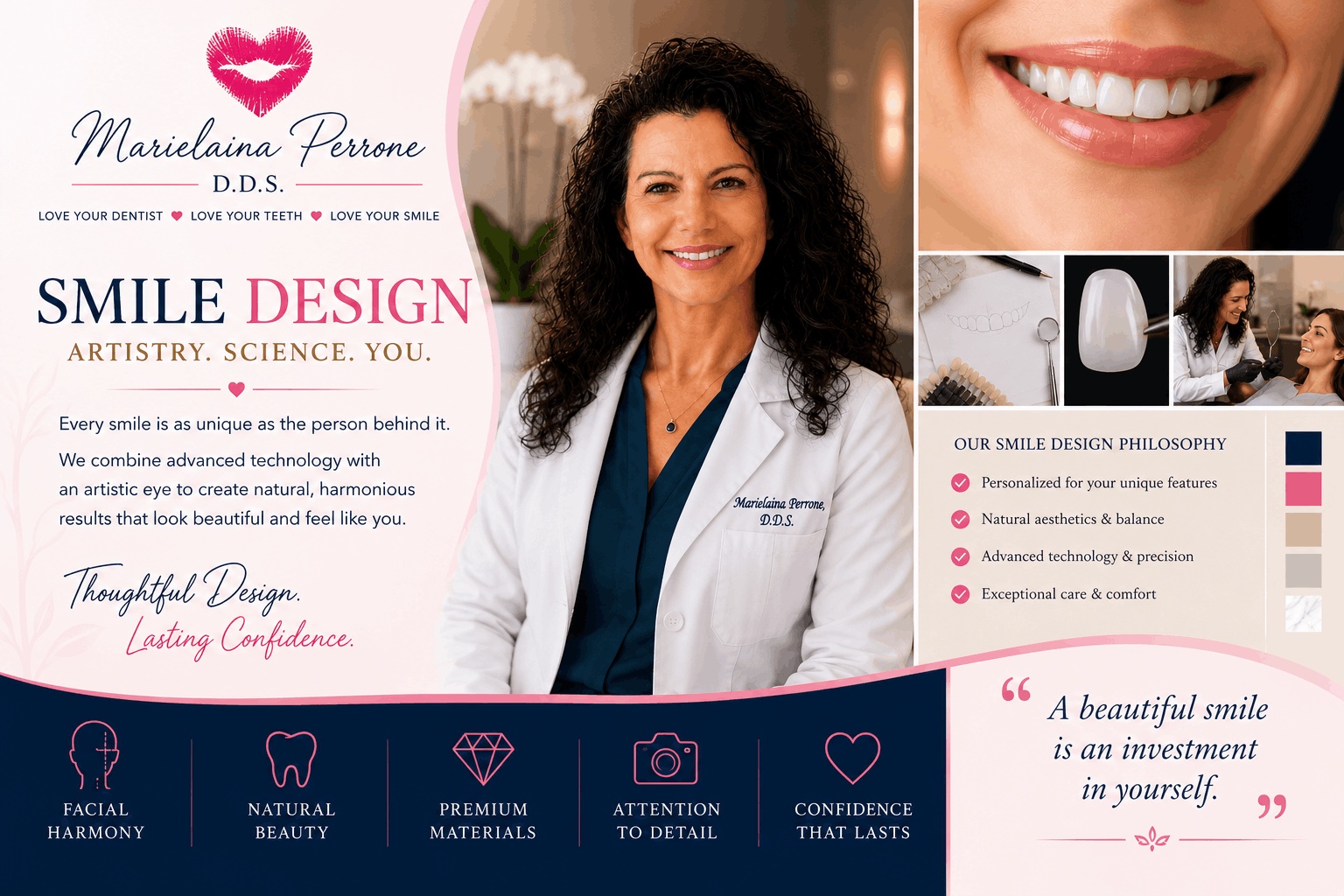
Long-lasting veneers begin with careful planning.
Every smile should be customized according to:
- Facial proportions
- Lip position
- Bite relationship
- Gum architecture
- Individual smile goals
Proper design reduces excessive stress on veneers during everyday function.
3. The Skill of Your Cosmetic Dentist
Porcelain veneers require both technical precision and artistic vision.
Proper tooth preparation, accurate impressions, precise bonding, and meticulous finishing all contribute to the longevity of your new smile.
Daily Habits That Protect Your Veneers
Your daily routine has a significant impact on veneer longevity.
Healthy habits include:
- Brushing twice daily
- Daily flossing
- Using a non-abrasive toothpaste
- Visiting your dentist regularly
- Wearing a nightguard if recommended
Excellent oral hygiene protects both your veneers and the natural teeth beneath them.
Habits That Can Shorten Veneer Lifespan
Although porcelain is extremely durable, it is not indestructible.
Avoid:
- Chewing ice
- Opening packages with your teeth
- Biting fingernails
- Chewing pens
- Hard candy
- Cracking nutshells with your teeth
These habits increase the risk of chipping or fracture.
Teeth Grinding (Bruxism)
One of the biggest threats to porcelain veneers is nighttime grinding.
Bruxism places tremendous pressure on:
- Veneers
- Natural teeth
- Jaw joints
- Supporting bone
If you grind your teeth while sleeping, Dr. Perrone may recommend a custom nightguard to protect your investment.
Will Porcelain Veneers Stain?
One of porcelain’s greatest advantages is its exceptional stain resistance.
Unlike natural enamel, porcelain resists discoloration from:
- Coffee
- Tea
- Red wine
- Soda
- Most foods
However, the natural teeth surrounding your veneers can still stain over time, making regular professional cleanings important for maintaining a uniform smile.
Can Veneers Get Cavities?
The porcelain itself cannot develop cavities.
However, the natural tooth beneath the veneer still can.
Poor oral hygiene may allow decay to develop along the edges of the restoration.
Routine dental visits help detect problems early before they threaten the veneer.
Can Damaged Veneers Be Repaired?
Minor polishing may correct small surface imperfections.
However, if a veneer becomes:
- Cracked
- Fractured
- Severely chipped
- Debonded
replacement is often the best long-term solution.
Fortunately, modern porcelain veneers can usually be replaced individually while maintaining the appearance of your smile.
Why Regular Dental Visits Matter
Routine examinations allow Dr. Perrone to evaluate:
- Veneer margins
- Gum health
- Bite function
- Wear patterns
- Oral hygiene
- Underlying tooth health
Small issues identified early are often much easier to manage.
Signs Your Veneers May Need Replacement
You may eventually notice:
- Chips or cracks
- Gum recession around veneers
- Dark lines at the margins
- Changes in bite
- Cosmetic wear
- Color mismatch with surrounding teeth
Many patients choose replacement simply because newer materials offer even better aesthetics than those available years earlier.
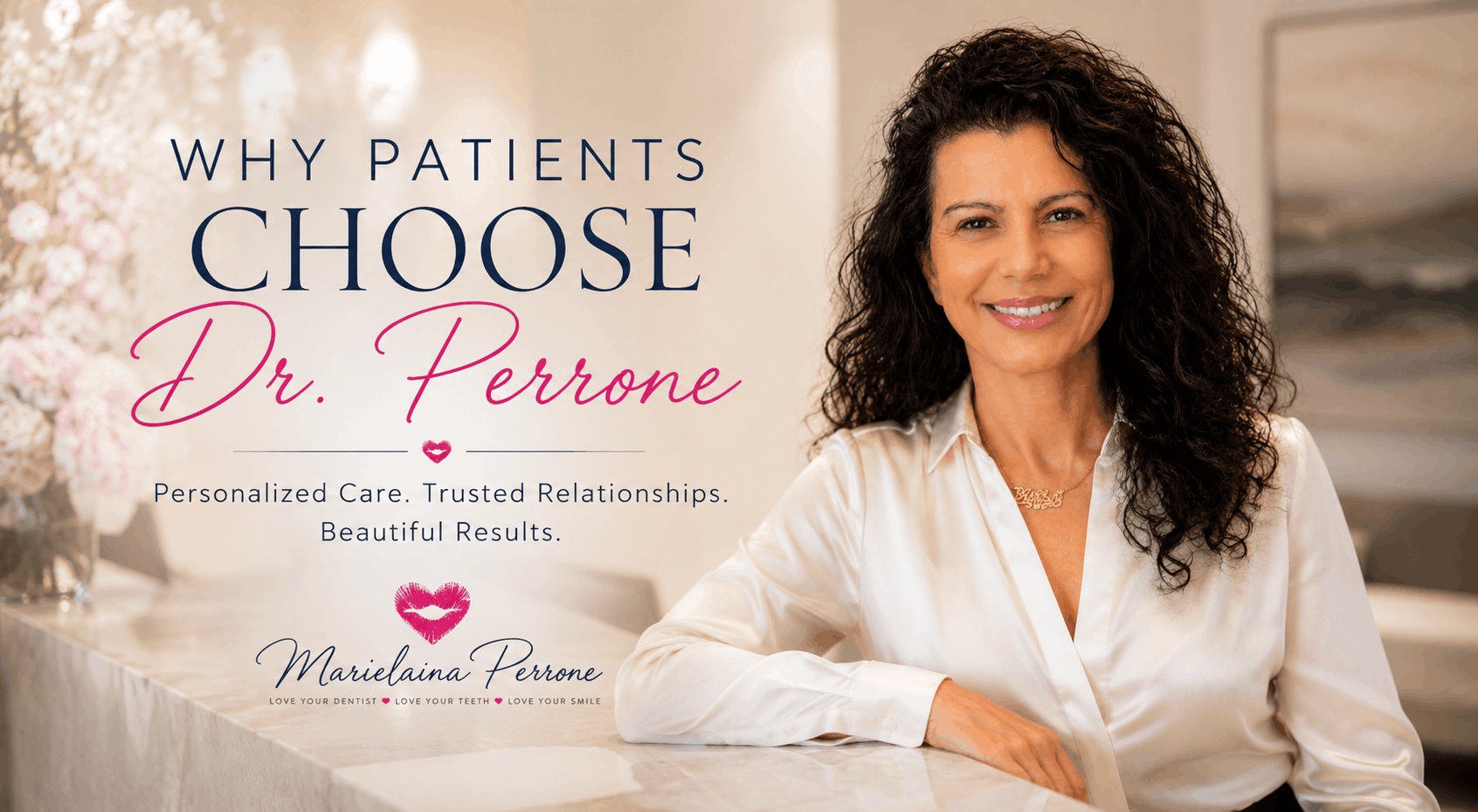
Why Experience Matters
Porcelain veneers represent one of the most artistic procedures in cosmetic dentistry.
Dr. Perrone carefully designs every smile to achieve:
- Natural proportions
- Facial harmony
- Comfortable function
- Long-term durability
- Conservative treatment whenever possible
The goal is never to create an artificial smile—but one that looks healthy, youthful, and completely natural.
Frequently Asked Questions
How long do porcelain veneers typically last?
Most porcelain veneers last between 10 and 20 years, depending on oral hygiene, bite forces, and regular dental care.
Can veneers last longer than 20 years?
Yes. Many well-maintained veneers continue functioning beautifully for more than two decades.
Do veneers stain?
Porcelain is highly stain resistant, making veneers much more resistant to discoloration than natural enamel.
Can veneers fall off?
It’s uncommon, but veneers can occasionally debond. In many cases they can be rebonded or replaced if necessary.
Do veneers require special care?
No. Brush, floss, maintain regular dental visits, and avoid damaging habits like chewing ice or grinding your teeth.
Will I eventually need replacement veneers?
Most patients eventually replace veneers because of normal wear, changes in their bite, or advances in cosmetic materials—not because the original treatment failed.
A Beautiful Smile Built to Last
Porcelain veneers remain one of the most predictable and rewarding treatments in cosmetic dentistry. With thoughtful smile design, high-quality materials, and excellent home care, they can provide many years of confidence, comfort, and natural beauty.
If you’re considering porcelain veneers—or want to learn how to maximize the lifespan of your existing veneers—schedule a consultation with Marielaina Perrone, DDS to discuss your smile goals and personalized treatment options.
About the Author
Marielaina Perrone, DDS is an award-winning cosmetic, restorative, and implant dentist serving Henderson, Green Valley, Anthem, Seven Hills, Inspirada, Las Vegas, and surrounding Southern Nevada communities. A graduate of Stony Brook University School of Dental Medicine, she has over 25 years of experience helping patients achieve naturally beautiful smiles through advanced cosmetic dentistry, porcelain veneers, smile makeovers, and minimally invasive treatment.
Medically Reviewed By
Marielaina Perrone, DDS
Doctor of Dental Surgery
Cosmetic & Restorative Dentist – Henderson, Nevada
Dr. Perrone regularly completes advanced continuing education in cosmetic dentistry, smile design, adhesive dentistry, porcelain restorations, and evidence-based esthetic treatment to provide patients with the highest standard of modern cosmetic care.
Updated: July 2026