Dental Care During Pregnancy: Protecting Your Smile While Protecting Your Baby

Pregnancy Changes More Than You Think—Including Your Smile
Pregnancy is an incredible journey filled with excitement, anticipation, and countless changes throughout the body. While most expectant mothers are prepared for morning sickness, food cravings, fatigue, and hormonal shifts, many are surprised to discover that pregnancy can also have a significant impact on their oral health.
Increased tooth sensitivity.
Morning sickness affecting tooth enamel.
Pregnancy tumors.
Dry mouth.
Changes in the bacteria that live inside the mouth.
These changes are common, but they should never be ignored. A healthy mouth contributes to a healthier pregnancy, and maintaining excellent oral health is an important part of prenatal care.
At my Henderson dental practice, I frequently reassure expectant mothers that routine dental care is not only safe during pregnancy—it is one of the best investments they can make for both themselves and their growing baby.
Why Pregnancy Affects Your Oral Health
Pregnancy causes dramatic increases in estrogen and progesterone. These hormones influence nearly every tissue in the body, including your gums.
Higher hormone levels increase blood flow to the gum tissue and alter the body’s inflammatory response. As a result, your gums become more sensitive to even small amounts of plaque that normally wouldn’t cause much irritation.
This is why women who have always maintained excellent oral hygiene may suddenly notice:
- Bleeding while brushing
- Swollen gums
- Tenderness
- Persistent bad breath
- Increased plaque buildup
These changes do not necessarily mean your brushing habits have changed. Instead, your body is responding differently because of pregnancy.
“Pregnancy doesn’t cause gum disease by itself. It changes how your body responds to the bacteria that naturally live in your mouth. That’s why preventive care becomes even more important during pregnancy.”
— Marielaina Perrone, DDS
Dental Care During Pregnancy
Pregnancy can affect your gums, saliva, enamel, and cavity risk. Open each section to learn what changes are common, which treatments are considered safe, and how to protect your smile throughout pregnancy.
1. Why Does Pregnancy Affect Oral Health?Hormonal changes alter how gum tissue responds to plaque
Rising estrogen and progesterone levels increase blood flow to the gums and can make the tissues more sensitive to plaque and inflammation.
✓ Bleeding while brushing
✓ Swollen or tender gums
✓ Increased plaque sensitivity
✓ Changes in oral bacteria
“Pregnancy does not cause gum disease by itself. It changes how the body responds to the bacteria already present in the mouth.”
— Marielaina Perrone, DDS
2. What Is Pregnancy Gingivitis?A common but manageable form of gum inflammation
Pregnancy gingivitis often develops during the second and third trimesters as the gums become more reactive to plaque.
✓ Red or puffy gums
✓ Bleeding during brushing or flossing
✓ Mild tenderness
✓ Often improves with professional care and good home hygiene
3. How Does Morning Sickness Affect Teeth?Stomach acid can soften and erode enamel
Repeated exposure to stomach acid can weaken enamel and increase sensitivity and cavity risk.
✓ Rinse with water after vomiting
✓ Consider water mixed with a small amount of baking soda
✓ Wait about 30 minutes before brushing
✓ Avoid scrubbing softened enamel immediately
4. What Are Pregnancy Tumors?Benign gum growths that may develop during pregnancy
Pregnancy tumors, also called pyogenic granulomas, are non-cancerous overgrowths of gum tissue linked to hormones and local irritation.
✓ Often appear between teeth
✓ May bleed easily
✓ Commonly develop during the second trimester
✓ Often shrink after pregnancy
5. Can Pregnancy Cause Dry Mouth?Reduced saliva can increase oral discomfort and cavity risk
Some women experience reduced saliva during pregnancy. Saliva helps neutralize acids, wash away bacteria, and protect enamel.
✓ Increased cavity risk
✓ Bad breath
✓ Difficulty swallowing
✓ Oral discomfort
✓ Hydration may help
6. Is It Safe to Visit the Dentist During Pregnancy?Routine and necessary dental care should not be ignored
Routine exams, cleanings, and necessary treatment can generally be performed during pregnancy. Delaying care may allow small problems to become more serious.
✓ Professional cleanings
✓ Dental examinations
✓ Emergency care
✓ Necessary restorative treatment
✓ Individualized timing based on comfort and health
“One of the biggest myths is that pregnant women should avoid the dentist. Maintaining oral health during pregnancy helps protect both mother and baby.”
— Marielaina Perrone, DDS
7. Which Trimester Is Best for Dental Treatment?Comfort and urgency help guide timing
Dental care can be provided throughout pregnancy, but the second trimester is often the most comfortable time for routine treatment.
✓ First trimester: exams and emergency care
✓ Second trimester: often ideal for routine treatment
✓ Third trimester: preventive care remains important
✓ Urgent treatment should not be delayed
8. Are Dental X-Rays Safe During Pregnancy?Imaging is used only when clinically necessary
Modern digital dental X-rays use very low radiation levels. When imaging is necessary, protective measures are used and the benefits and risks are carefully considered.
✓ Inform the dental team that you are pregnant
✓ Imaging only when necessary
✓ Protective shielding is used
✓ Digital technology minimizes exposure
9. Can Local Anesthetic Be Used?Comfort and infection control remain important
Local anesthetics commonly used in dentistry can generally be administered when clinically necessary. Untreated pain or infection may carry greater risk than appropriate dental care.
✓ Treatment should remain individualized
✓ Comfort matters
✓ Medical coordination may be appropriate
✓ Active infection should not be ignored
10. Which Nutrients Support Oral Health?Nutrition supports both mother and baby
A balanced diet helps support healthy gums, teeth, bones, and fetal development.
✓ Calcium for teeth and bones
✓ Vitamin D for calcium absorption
✓ Vitamin C for gum health
✓ Protein for tissue repair
✓ Folate for healthy fetal development
✓ Water for hydration and saliva support
11. What Daily Habits Protect Your Smile?Small habits can make a meaningful difference
Consistent home care remains the foundation of oral health during pregnancy.
✓ Brush twice daily with fluoride toothpaste
✓ Floss every day
✓ Drink plenty of water
✓ Limit frequent sugary snacks
✓ Schedule professional cleanings
✓ Report persistent pain, swelling, or bleeding
12. When Should You Contact Your Dentist?Do not wait for symptoms to become severe
Prompt evaluation can prevent a minor concern from becoming a larger problem during pregnancy.
✓ Persistent bleeding gums
✓ Tooth pain
✓ Facial or gum swelling
✓ Broken teeth or fillings
✓ Significant sensitivity
✓ A gum growth that bleeds or interferes with eating
“Taking care of your smile during pregnancy is not simply about preventing cavities. It is part of supporting your overall health during one of life’s most important journeys.”
— Marielaina Perrone, DDS
Educational Note
This guide is educational and does not replace personalized dental or prenatal advice. Treatment recommendations during pregnancy should be based on your oral health, stage of pregnancy, symptoms, medical history, medications, and guidance from your dentist and obstetric provider.
Pregnancy Gingivitis Is Extremely Common
One of the most common oral health conditions during pregnancy is pregnancy gingivitis.
Research suggests that a majority of pregnant women experience some degree of gum inflammation, particularly during the second and third trimesters.
Symptoms may include:
- Red gums
- Puffy gums
- Bleeding during brushing or flossing
- Gum tenderness
- Mild discomfort
Fortunately, pregnancy gingivitis is usually reversible with:
- Professional dental cleanings
- Excellent brushing
- Daily flossing
- Regular dental examinations
Ignoring bleeding gums allows inflammation to worsen and may increase the risk of more advanced periodontal disease.
Morning Sickness Can Affect Your Teeth
Morning sickness is difficult enough without considering its effects on your smile.
Repeated exposure to stomach acid can gradually soften and erode tooth enamel.
Over time this may contribute to:
- Tooth sensitivity
- Enamel wear
- Increased cavity risk
- Changes in tooth appearance
Many women instinctively brush immediately after vomiting.
Although understandable, this may actually increase enamel wear because stomach acid temporarily softens the outer tooth surface.
Instead, I recommend:
- Rinsing with water immediately afterward
- Rinsing with water mixed with a small amount of baking soda to help neutralize acid
- Waiting about 30 minutes before brushing
This simple change helps protect enamel while still keeping your mouth fresh.

Pregnancy Tumors: They Sound Scary but Usually Aren’t
The name “pregnancy tumor” understandably worries many expectant mothers.
Fortunately, these growths are not cancer.
Pregnancy tumors, also called pyogenic granulomas, are benign overgrowths of gum tissue that may develop because of hormonal changes combined with local irritation.
They often appear:
- Between teeth
- Along the gumline
- During the second trimester
Most disappear after pregnancy.
If they become painful, interfere with eating, or bleed excessively, treatment may be recommended.
Dry Mouth During Pregnancy
Some women notice decreased saliva production during pregnancy.
Saliva plays an essential role by:
- Neutralizing acids
- Washing away bacteria
- Protecting tooth enamel
- Reducing cavity risk
When saliva decreases, women may experience:
- Dry mouth
- Increased cavities
- Bad breath
- Difficulty swallowing
- Oral discomfort
Staying hydrated and discussing persistent dry mouth with your dentist can help reduce these risks.
Nutrition Supports Two Healthy Smiles
Pregnancy is a time when nutrition affects both mother and baby.
The nutrients that support your overall health also help protect your teeth and gums.
Important nutrients include:
Calcium
Supports healthy teeth and bones.
Vitamin D
Helps the body absorb calcium while supporting immune health.
Vitamin C
Supports collagen production and healthy gum tissue.
Protein
Essential for tissue repair and healthy fetal development.
Folate
Supports healthy fetal development and overall wellness.
A balanced diet rich in fruits, vegetables, lean proteins, dairy or calcium-rich alternatives, and whole grains benefits your oral health as well as your pregnancy.

Is It Safe to Visit the Dentist During Pregnancy?
Absolutely.
Routine dental examinations, professional cleanings, and preventive care are considered safe throughout pregnancy.
In fact, delaying necessary dental care may allow small problems to become larger ones.
Many women ask about the best time for treatment.
Generally:
First Trimester
Routine examinations and emergency care are appropriate.
Elective procedures may sometimes be postponed depending on individual circumstances.
Second Trimester
Often considered the most comfortable time for routine dental treatment.
Professional cleanings, fillings, and many restorative procedures can usually be completed safely.
Third Trimester
Preventive care remains important, although lengthy appointments may become less comfortable.
Every pregnancy is unique, and treatment recommendations should always be individualized.
“One of the biggest myths I still hear is that pregnant women should avoid the dentist. In reality, maintaining good oral health during pregnancy helps protect both mother and baby.”
— Marielaina Perrone, DDS
Are Dental X-Rays Safe?
Dental X-rays are only taken when clinically necessary.
Modern digital X-rays use very low levels of radiation, and protective shielding is used to minimize exposure.
If imaging is needed for diagnosis or emergency treatment, your dentist will carefully weigh the benefits and risks while following current safety guidelines.
Always let your dental team know if you are pregnant or think you may be pregnant.
Can You Receive Dental Anesthesia?
Local anesthetics commonly used in dentistry can generally be administered safely during pregnancy when clinically necessary.
Comfort is important.
Untreated dental pain and infection often pose greater risks than appropriately performed dental treatment.
Your dentist and physician can coordinate care whenever needed.
The Link Between Gum Health and Pregnancy
Researchers continue to study the relationship between periodontal disease and pregnancy outcomes.
Although the relationship is complex, healthy gums contribute to better overall health, making periodontal prevention an important part of prenatal care.
Good oral hygiene remains one of the simplest and most effective ways to support lifelong oral health.
Daily Habits That Protect Your Smile
Simple daily habits can make a tremendous difference throughout pregnancy.
I encourage patients to:
- Brush twice daily with fluoride toothpaste
- Floss every day
- Drink plenty of water
- Limit sugary snacks and beverages
- Eat a balanced diet
- Schedule regular professional cleanings
- Report any persistent swelling, pain, or bleeding
Small habits performed consistently often provide the greatest long-term benefits.

My Philosophy
Pregnancy is one of life’s most exciting chapters, and every expectant mother deserves to feel confident about her health—including her oral health.
I believe education is one of the most valuable services I can provide. When patients understand why hormonal changes affect their gums, teeth, and mouth, they become empowered to make healthier choices throughout pregnancy.
Every woman experiences pregnancy differently.
Every smile deserves individualized care.
My goal is to provide gentle, evidence-based dentistry that helps mothers stay healthy while creating a comfortable environment where they feel informed, respected, and supported.
“Taking care of your smile during pregnancy isn’t simply about preventing cavities. It’s about supporting your overall health during one of life’s most important journeys.”
— Marielaina Perrone, DDS
Frequently Asked Questions
Is it safe to have my teeth cleaned while pregnant?
Yes. Professional dental cleanings are considered safe during pregnancy and play an important role in preventing pregnancy gingivitis.
Why do my gums bleed when I brush?
Hormonal changes make gum tissue more sensitive to plaque, increasing inflammation and bleeding.
Should I brush after morning sickness?
Wait about 30 minutes after vomiting before brushing. Rinse with water or a baking soda solution first to help neutralize stomach acid.
Can pregnancy cause cavities?
Pregnancy itself does not cause cavities, but changes in diet, morning sickness, dry mouth, and oral bacteria can increase cavity risk.
Can I receive a filling while pregnant?
Yes. Many restorative procedures can be performed safely when needed. Your dentist will recommend the most appropriate timing based on your individual situation.
What should I tell my dentist?
Always let your dental team know if you are pregnant, how far along you are, any medications you are taking, and any recommendations from your obstetrician.
A Healthy Pregnancy Begins With a Healthy Smile
Pregnancy is a time of remarkable change, and your oral health deserves to be part of your prenatal care.
Regular dental visits, excellent home care, healthy nutrition, and early treatment of dental problems help protect both your smile and your overall well-being throughout pregnancy.
At Marielaina Perrone, DDS, we proudly provide gentle, personalized dental care for expectant mothers throughout Henderson, Green Valley, Las Vegas, Summerlin, Anthem, Seven Hills, Inspirada, and surrounding Southern Nevada communities.
Whether you’re planning a pregnancy, expecting your first child, or adding to your growing family, we’re here to help you maintain a healthy, confident smile every step of the way.
About Marielaina Perrone, DDS
Marielaina Perrone, DDS, is an award-winning cosmetic, restorative, implant, and family dentist serving Henderson, Green Valley, Las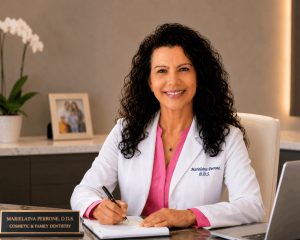 Vegas, Summerlin, Anthem, Seven Hills, Boulder City, Inspirada, Silverado Ranch, and surrounding Southern Nevada communities. With more than 25 years of clinical experience, Dr. Perrone provides personalized cosmetic dentistry, porcelain veneers, smile makeovers, dental implants, restorative dentistry, periodontal therapy, and facial aesthetics in a welcoming, patient-centered environment. Her philosophy is simple: exceptional dentistry begins with listening, embraces conservative care whenever possible, and creates naturally beautiful smiles that help patients live healthier, happier, and more confident lives.

Reviewed for Clinical Accuracy
This article has been written and clinically reviewed by Marielaina Perrone, DDS, to ensure it reflects current evidence-based dentistry and the personalized philosophy of care practiced at her Henderson, Nevada office.
Last Reviewed: August 2026