Cognitive Function and Dental Implants

Your Smile Is Connected to More Than You Think
Most people choose dental implants because they want to replace a missing tooth.
They want to chew comfortably again.
Smile with confidence.
Enjoy their favorite foods.
Look like themselves again.
What many patients don’t realize is that replacing missing teeth may offer benefits that extend far beyond their smile. Researchers continue to explore the fascinating relationship between oral health and cognitive function, and growing evidence suggests that maintaining a healthy, functional smile may play an important role in supporting healthy aging. While dental implants are not a treatment for memory loss or dementia, restoring oral health may positively influence several factors known to affect long-term brain health.
At my Henderson practice, I believe the goal of dental implants has never been simply replacing teeth. It’s helping patients continue enjoying life with confidence, comfort, and good health for years to come.

A Healthy Smile Supports a Healthy Body
Your mouth is not separate from the rest of your body. It’s connected to nearly every aspect of your overall health.
Research has linked poor oral health to conditions including:
- Heart disease
- Diabetes
- Stroke
- Osteoporosis
- Respiratory disease
- Cognitive decline
Although scientists are still studying these relationships, one message continues to become clearer: Healthy mouths support healthier lives.

Why Missing Teeth May Affect Brain Health
Losing a tooth changes far more than appearance.
It affects the way we chew.
The foods we eat.
Our confidence.
Even our willingness to socialize.
Together, these changes may influence long-term cognitive wellness.
Chewing Stimulates the Brain
Every bite activates an incredibly complex network of muscles, nerves, and sensory receptors. Chewing increases blood flow throughout the brain and provides continuous neurological stimulation.
When multiple teeth are missing, chewing efficiency often declines. Researchers continue investigating whether reduced chewing activity may contribute to age-related cognitive changes.
Nutrition Matters
Patients missing several teeth frequently avoid foods that are difficult to chew.
Fresh vegetables.
Apples.
Lean meats.
Nuts.
These foods provide vitamins and nutrients essential for maintaining overall health, including brain health. Replacing missing teeth often allows patients to return to a healthier, more varied diet.
Inflammation and Overall Health
Untreated periodontal disease remains one of the leading causes of tooth loss. Chronic gum inflammation doesn’t remain isolated to the mouth.
Researchers continue studying its relationship with systemic inflammation, which has also been associated with several chronic health conditions, including cognitive decline. Maintaining healthy gums benefits far more than your smile.
Confidence Encourages Connection
One of the most overlooked consequences of tooth loss isn’t physical.
It’s emotional.
Many patients smile less.
Avoid photographs.
Speak less confidently.
Withdraw from social situations.
Remaining socially engaged is widely recognized as an important part of healthy aging. Restoring a smile often restores much more than teeth.
Why Dental Implants Are Different
There are several excellent options for replacing missing teeth. Dental implants, however, offer unique advantages because they closely replicate the function of natural teeth.
Unlike removable dentures, dental implants:
- Restore powerful chewing ability
- Preserve jawbone
- Support facial structure
- Remain securely in place
- Feel remarkably natural
Most importantly…………They allow many patients to return to living rather than thinking about their teeth.
Healthy Aging Begins With Healthy Function
One of the greatest benefits of dental implants has nothing to do with cosmetics. It’s function.
Patients often tell me they can finally:
Enjoy steak again.
Eat apples comfortably.
Laugh without worrying about dentures moving.
Speak with confidence.
Travel without adhesive creams.
These everyday moments contribute enormously to quality of life. Sometimes improving health means restoring the simple pleasures we’ve been missing.

More Than Replacing Teeth
Dental implants also help preserve the jawbone. When a tooth is lost, the surrounding bone gradually shrinks because it no longer receives normal stimulation. Dental implants replace the function of the tooth root, helping maintain bone volume and facial support.
This contributes to:
- Better facial proportions
- Improved long-term oral health
- Greater comfort
- More youthful facial structure
Healthy aging isn’t just about living longer. It’s about living well.
“The best dental implant outcomes aren’t measured only by what patients see in the mirror. They’re measured by how comfortably patients eat, speak, smile, and enjoy life for years to come.”
-Marielaina Perrone, DDS
What Does the Research Show?
Researchers continue exploring the relationship between oral health and cognitive function.
Current studies suggest that restoring missing teeth may support:
- Improved chewing efficiency
- Better nutrition
- Increased social engagement
- Enhanced quality of life
- Reduced oral inflammation
Some studies have also observed improvements in memory, attention, and overall well-being following dental rehabilitation. While additional research is still needed to better understand these relationships, maintaining excellent oral health remains an important part of healthy aging.
Are Dental Implants Right for You?
Dental implants may be an excellent option if you have:
- One or more missing teeth
- Healthy gums
- Adequate jawbone
- Good overall health
- A desire for a stable, long-term tooth replacement solution
Every treatment plan begins with a comprehensive evaluation. Together, we’ll determine whether implants are the best solution for your smile and your long-term goals.

My Philosophy
When patients ask why I recommend dental implants, my answer is rarely about replacing a tooth. It’s about restoring everything that missing tooth allowed them to do.
Eat comfortably.
Speak naturally.
Smile confidently.
Maintain healthy bone.
Enjoy life without limitations.
Beautiful dentistry should always improve quality of life—not simply appearance. The smile is only part of the story. The life behind that smile is what truly matters.
Investing in Your Future
Dental implants represent one of the most predictable and life-changing advances in modern dentistry. Yes, they restore smiles. But they also restore confidence.
Nutrition.
Comfort.
Connection.
And perhaps even support healthier aging in ways researchers are only beginning to understand.
At Marielaina Perrone, DDS, we’re proud to help patients throughout Henderson, Green Valley, Las Vegas, Summerlin, Anthem, Seven Hills, and surrounding Southern Nevada communities restore more than missing teeth. We help restore the freedom to eat, smile, laugh, and enjoy life with confidence.
Because the most successful dental implant isn’t measured by the X-ray.
It’s measured by the life you get back afterward.
Author Bio
Dr. Marielaina Perrone, DDS, is a highly skilled cosmetic and family dentist based in Henderson, NV, dedicated to transforming smiles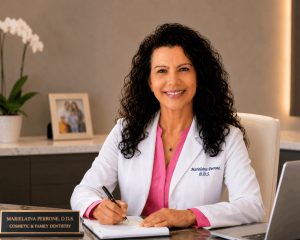 and improving lives through compassionate, patient-centered care. With over 20 years of clinical experience, Dr. Perrone blends advanced dental techniques with an artistic eye to deliver exceptional results in porcelain veneers, dental implants, smile makeovers, periodontal therapy, dermal fillers, Botox, and comprehensive facial aesthetic treatments.
A graduate at the top of her dental class, Dr. Perrone continually pursues advanced training to remain at the forefront of modern dentistry and aesthetic medicine. Her integrative approach focuses on oral health, facial harmony, and personalized treatment planning—helping patients achieve natural, confident smiles that enhance both appearance and overall well-being.
Dr. Perrone is passionate about patient education, preventive care, and creating long-term relationships built on trust, comfort, and communication. She proudly serves the communities of Henderson, Green Valley, and the greater Las Vegas area. When she’s not caring for patients, she enjoys cooking, staying active, and spending time with her family.

Reviewed for Clinical Accuracy
This article has been written and clinically reviewed by Marielaina Perrone, DDS, to ensure it reflects current evidence-based dentistry and the personalized philosophy of care practiced at her Henderson, Nevada office.
Last Reviewed: September 2026